Devasted that Luljeta Nuzi has died after a long fight with cancer. An incredible, dynamic, fierce woman whose optimism and passion for equality for all, in education, as women, as members of refugee and global majority communities will remain an inspiration for those who met her. I first met Luljeta in 2009 when she came […]
Book Launch , Pangea Maths Competition and Writing Compettion
- Book Launch – Supplementary Schools and Ethnic Minority Communities
(London- 1st Nov 2018 18:00-20:00) - Pangea Maths Competition 2019 (for year 4 to year 10 students)
(Deadline: 18th January 2019: National Competition) - Storytime Magazine Launches Writing Competition to Mark 50th issue
(Ongoing; National Competition)
Let’s see below more about each individual event.
1. BOOK LAUNCH – SUPPLEMENTARY SCHOOLS AND ETHNIC MINORITY COMMUNITIES
Amanda Simon would like to invite members of the NRCSE to her upcoming book launch for ‘Supplementary schools and ethnic minority communities’
When: November 1st, 2018 at 6:00pm
Where: The Africa Centre, 66 Great Suffolk St, London SE1 0BL
Venue: The Africa Centre in Southwark.
To find out more information about the Book Launch and how to book your place click here.
If you would like to know more about the Book, click here.
2. PANGEA MATHS COMPETITION 2019
Axis is running the Pangea Maths Competition for 2019. All types of schools in the UK including Supplementary Schools following the British Curriculum can register their students from Year 4 to Year 10 to Pangea.
It’s a very worthwhile event and the first stage can be done online or on paper. Schools getting through to the final all come together for more tests and the results, all on the same day. There is a great prizegiving, and lots of congratulations for inspiring teachers and talented pupils. It’s been running in other European countries for many years.
DEADLINE: 18TH JANUARY 2019
Find out more about the completion .
3. STORYTIME MAGAZINE LAUNCHES WRITING COMPETITION TO MARK 50TH ISSUE
(FOR CHILDREN AGED 3 TO 9)
Story Time Magazine is running a competition for a Child to write a story under 50 words, and get it featured in Storytime ,one of the UK’s biggest magazines for children. It’s open to anyone, not just their readers. So if you think any of the children you work with might be interested in creative writing and seeing their work in print, download here the starter pack.
Story Time Magazine is an independent publisher and social enterprise who launched a children’s magazine four years ago to improve literacy for reluctant readers who might not pick up a book but would read magazines.
They are celebrating their 50th issue and four years of publication with a new 50-word story writing competition for children aged 3 to 9, giving the winning entry an opportunity to be published in Storytime.
The Caraf Centre Maths Teacher Vacancy
NRCSE Member Association job vacancies
THE CARAF CENTRE
URGENTLY REQUIRES
Maths Teachers for
Mandela Supplementary School
The Caraf Centre’s Mandela Supplementary School is fully committed to the welfare and development of children, particularly those from disadvantaged or marginalised ethnic groups. We are currently seeking teachers for our Tuesday evening classes 5.30-7.30 pm.
The successful applicants will work with children aged 11 to 16 years old. This is a great opportunity to join a friendly after school setting based in London Borough of Camden. A strong educational background and a very positive outlook are essential requirements to motivate students studying up to GCSE level.
Qualified teacher rate: £23.50 per hour
Non-qualified teacher rate: £17.00 per hour
Job type: Variable hours during term time
Starting date: ASAP
If you would like to know more about this role please contact:
The Caraf Centre, 27-30 Cheriton, Queen’s Crescent NW5 4EZ
Akhita Benjamin on 0207 284 0030 Ext: 207
E-mail: akhita.benjamin@thecarafcentre.org.uk
Website: www.thecarafcentre.co.uk”
The added value of language and culture.
This NRCSE networking event proved to be a well-attended and interactive evening which examined the value and potential of using language and culture as a gateway to educational achievement and wellbeing.
The programme opened with a heartfelt poem titled ‘DICE’ written and performed by Annie Rockson, spoken word artist and Development Manager for Young Hammersmith & Fulham Foundation.
Presentations included a challenging and thought-provoking presentation Using language and Culture to teach a core subject by Dr Ornette D. Clennon, Visiting Research Fellow at Manchester Metropolitan University, on the role of education and Making Education a Priority (MEaP).
Thought-provoking, meaningful discussion generated by @revkollektiv ‘whose education ladder is it?’ Black children are climbing the ladder, achieving top grades, still not getting top jobs ‘we have to be more than our white counterparts’
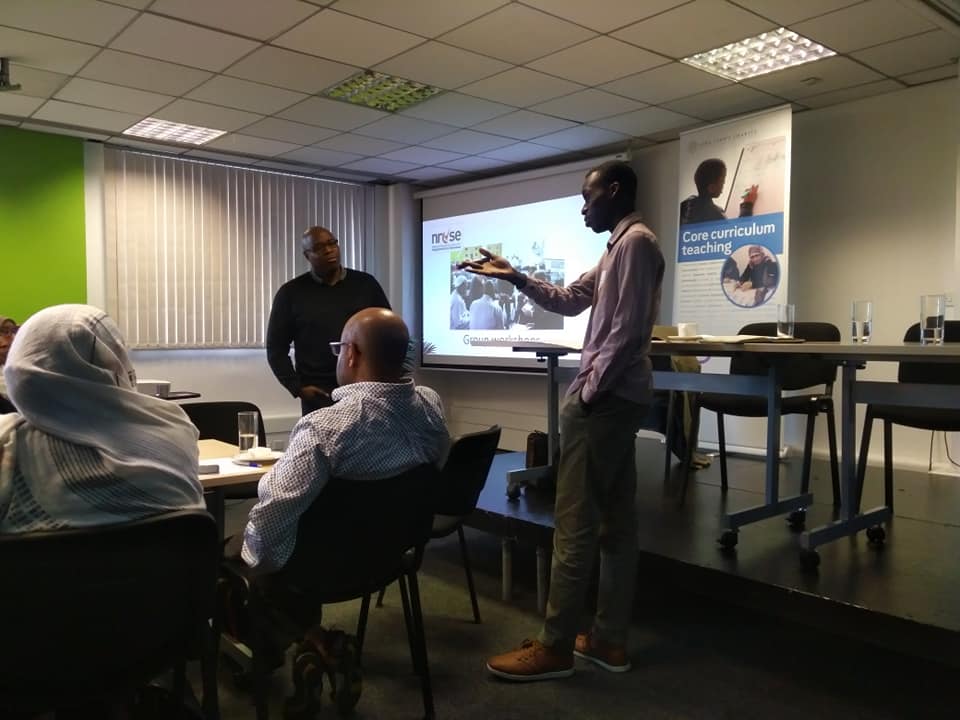
This was followed by an informative and practical delivery by Mojgan Soleimani and Cabdul Mohamed of the Harrow Maths Saturday club, exploring the possibilities of using language and culture as an added resource and ‘Tracking progress to measure success’.
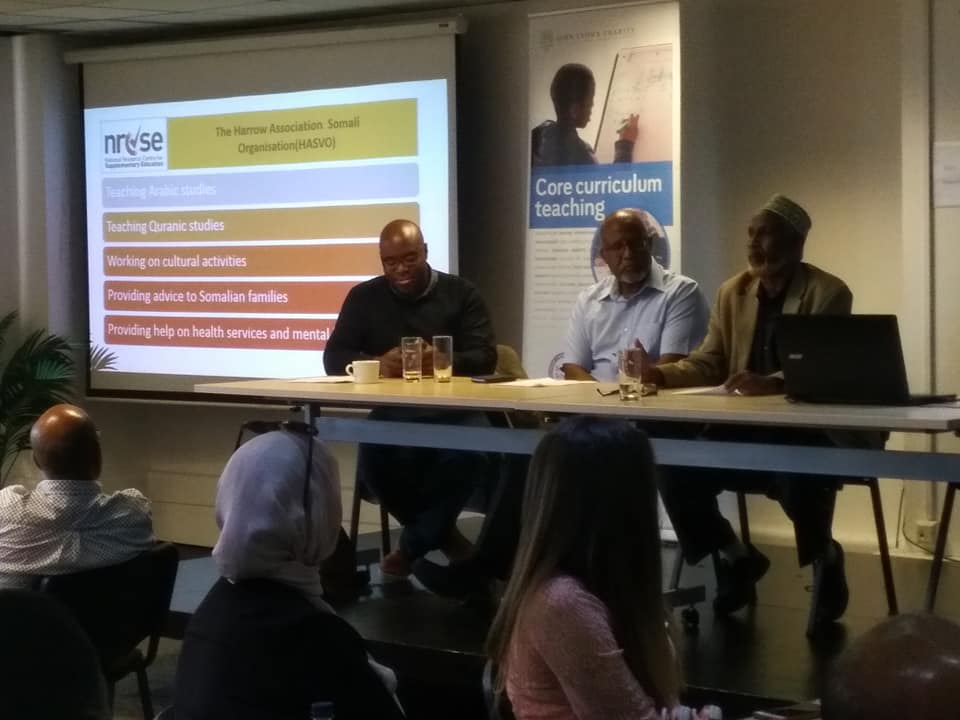
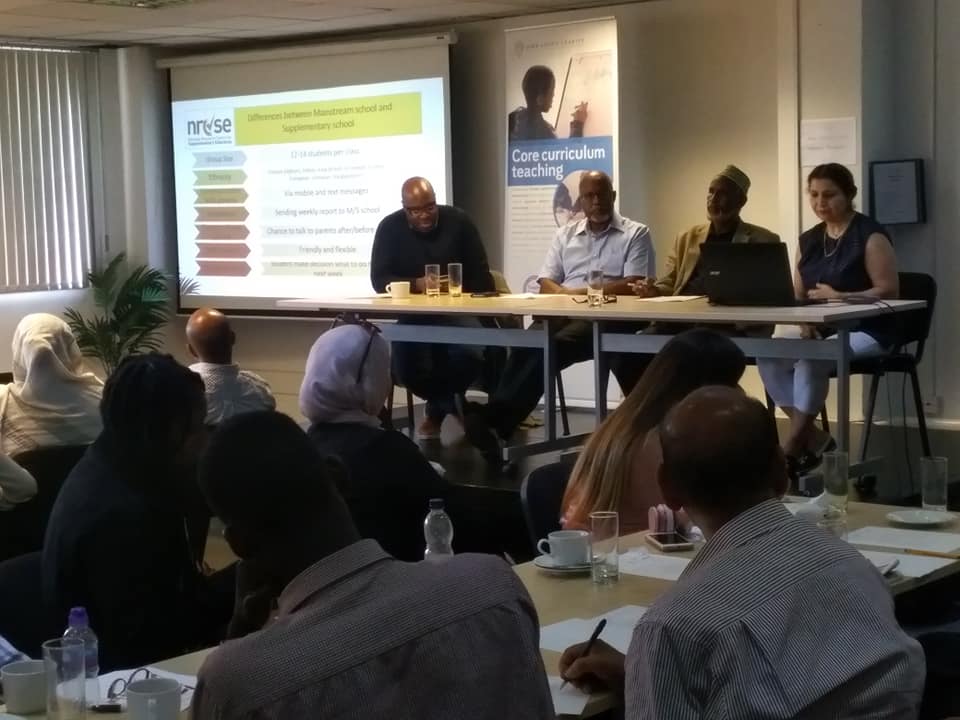 ‘Before my children went to Fatima’s maths class they weren’t doing well. We have to cooperate; we also have to challenge. Too many cuts’ ‘The parents need to think, what are my child’s skills, and help them every way they can to get there. Like Lewis Hamilton’s dad’
‘There’s nothing wrong with the traditional way to do long division. Telling children that while supporting them to understand the ways they are taught in their m/s school’ Empowers the parents, maintains children’s respect for them. Crucial! Fatima Salmani, Harrow Maths Saturday Club
‘Fatima uses assessment to motivate the children, to inform the parents, to determine what she teaches next. Every element of her teaching is informed by pupil assessment’ @angelabell1 ‘At Sudanese School we use maths/ science to add to their language’ Batoul, Sudanese School Westminster
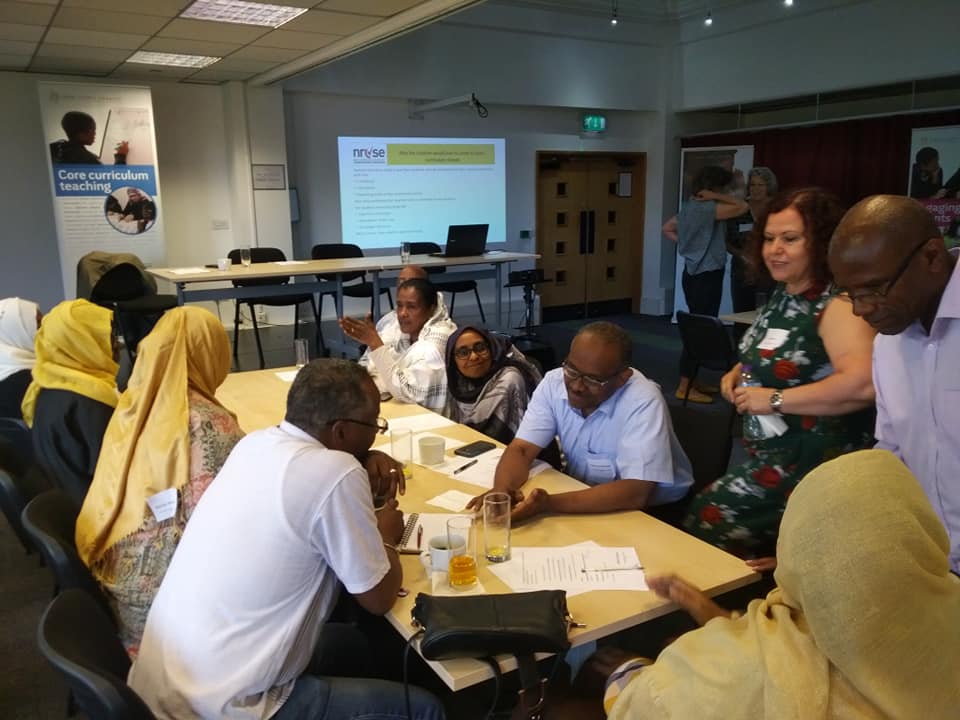
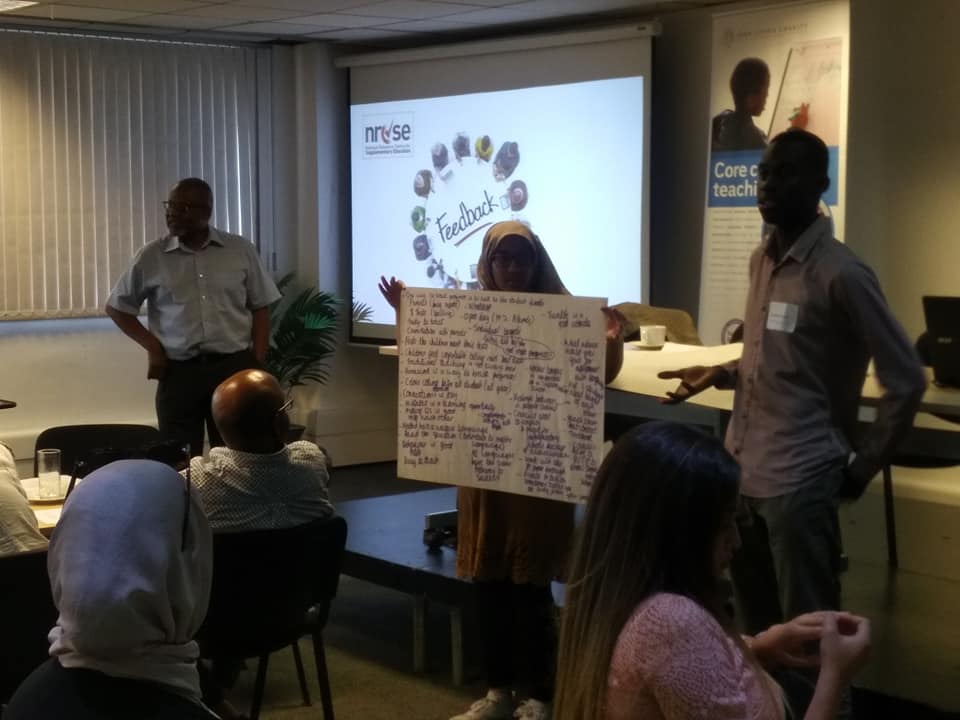
Following the presentations participants engaged and contributed in two interactive workshops sharing their experiences of good practice and the role of supplementary schools in raising self-esteem and attainment for all students who have English as an additional language or who have a cultural background that goes beyond England.
‘Yes, over time all the school careers advice has been cut. Those cuts hit ethnic minority communities the most. I’m a student careers adviser at uni but pupils need advice BEFORE they get to uni.’
‘Our children need to study. Ok, that’s normal like eating, but that isn’t enough in modern society….Schools need careers advisers, to work out with the children what their skills are, what they want to be ‘
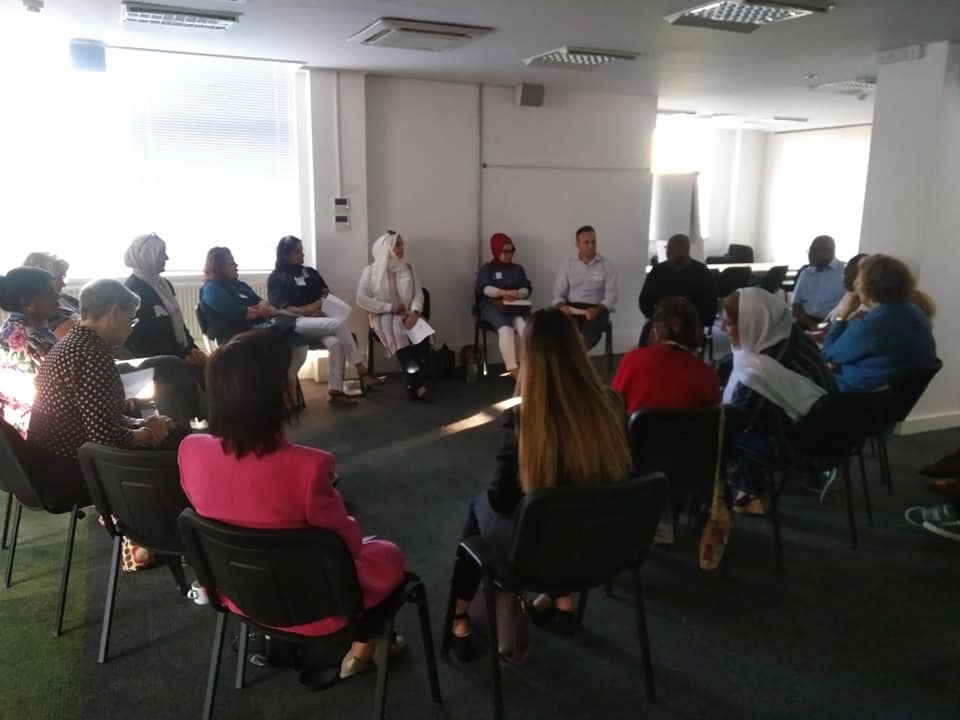
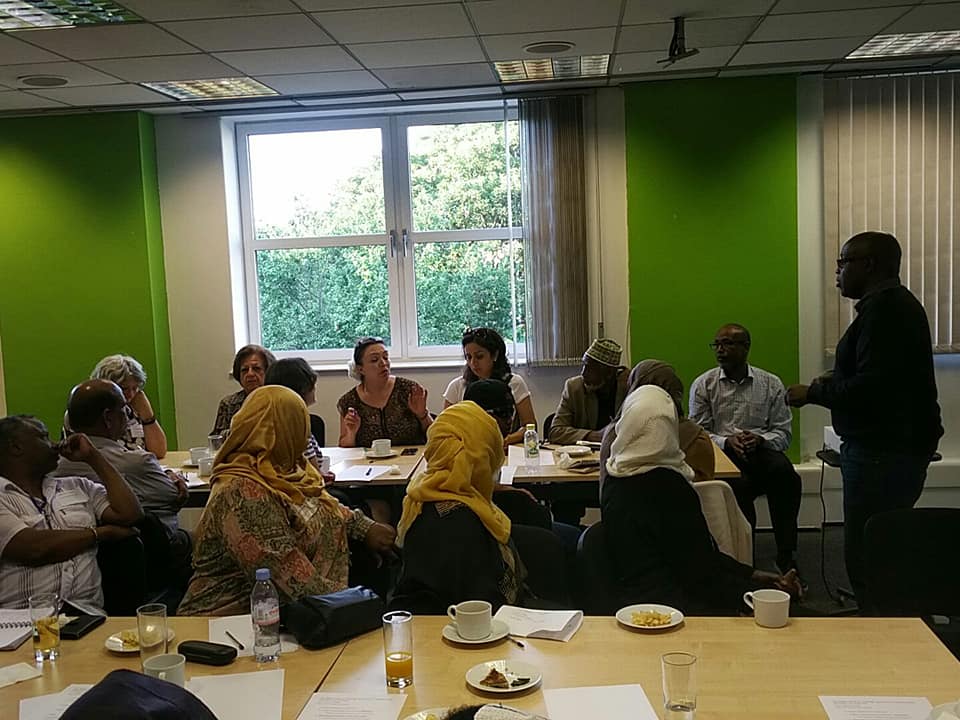
‘There is more work to do than parents sometimes realise. They need up-to-date information.’ ‘Supplementary School is a place where we can guide parents.‘ @revkollektiv supplementary schools can be even more radical. We need to be part of the conversation about new economies.
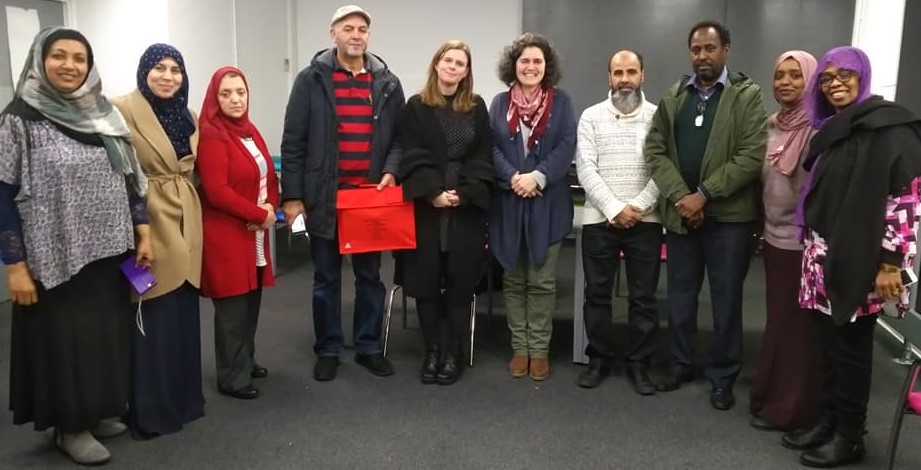
 The evening concluded with an award ceremony in recognition of the supplementary schools who had achieved the NRCSE Quality Mark and learners who had completed the Effective Teaching in Supplementary Schools OCN accredited course.
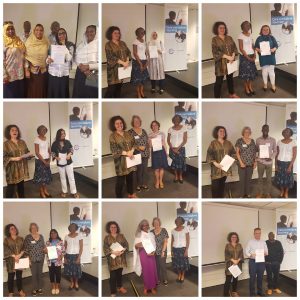
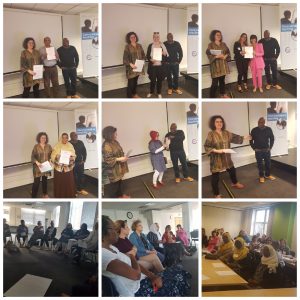
We would like to thank you all for attending and contributing in the NRCSE networking event: The added value of language and culture.
Quality in supplementary education – presentation to primary heads
Quality in supplementary education, who organises it and why is it important?
Supplementary schools are, by and large, not campaigning organisations. Their strengths lie elsewhere:
- reflecting the identity of children and providing positive role models; offering dependable and regular activities;
- offering a culturally familiar space where children can let down their guard;
- demystifying the education system for newly arrived parents or parents whose own experience of mainstream education (whether in Britain or elsewhere) has left them ill-equipped to guide their children’s navigation through a changed but not always improved system 20 or 30 years later;
- giving space for adults to share their experiences as parents from ‘minority’ communities.
Vassie, P. (2016) Race Equality Teaching Journal (Vol 34, No. 1), Summer 2016
Reflecting identity
- Supplementary schools create a space for community members to meet. Many supplementary schools actively cultivate traditions and celebrate (religious) holidays. Staff at Manchester’s Sudanese Supplementary School said, ‘We have Ramadan coming up, we have a different way of eating food, a different way of dressing. It doesn’t mean we don’t want to integrate into the [British] community; it’s just that we want the kids to understand their history because if you don’t have a history you don’t have a future.’
Gaiser, P. Hughes. (2015) Language provisions in Manchester’s supplementary schools, Manchester, UK
The importance of cultural space
- The cultural context of supplementary schools is their strength. A community language teacher in London’s Tower Hamlets with experience in both supplementary and mainstream schools says, ‘In the Bengali Club, my main role was to promote language learning and help them to do well in mainstream school. Parents also wanted us to familiarise their children with their culture and language. After-school club had a welcoming environment where parents were involved and teaching was more focused on the content, not assessments.’
Learner on NRCSE ‘Teaching a language in a supplementary school’ course, 2015
Demystifying the system
- In 2013, London Borough of Haringey commissioned a study into 15 supplementary schools that had been receiving funding since 2008. Focus groups were held with parents at four of the schools. ‘In my life, changing country, changing life, everything. Coming to the community centre is good. I get to meet other mothers, without this centre I’d stay in the house, I’d have no social life.’ ‘The parents who don’t come here; their children leave school and get married or join gangs. They don’t go to college. The mothers don’t know what opportunities there are for their children so they can’t help them.’ ‘The teachers here at KCC tell us what our children need to learn, for example the times tables, and how we need to help them.’
Parents attending the Kurdish Community Centre, Haringey – March 2013
Space for community members to support each other
- ‘This school was started 40 years ago because children were not getting the best, they were being short-changed, expectations for them were not high. This school offered them that.’
- ‘Yes, my father was an educationalist, he was part of the movement founding African Caribbean supplementary schools, part of the equalities struggle. Cultural literacy is crucial to my daughter’s learning.’
- ‘It’s more than just an extension of mainstream school. The teachers here are using their Caribbean culture in their teaching. The children hear that.’
Management committee members, Lemuel Findlay School, Haringey – March 2013
Recent evaluations of impact
Surveys have consistently found that children attending supplementary schools, and their parents, think that they help with mainstream schoolwork, enable children to benefit from greater parental engagement, and have a positive impact on student motivation
Maylor, U. et al (2010) Impact of Supplementary Schools on Pupils’ Attainment: An Investigation into What Factors Contribute to Educational Improvements. DCSF report RR210.
Study of supplementary schools in seven London boroughs found that their students on FSM achieved results in key tests that were better than local averages
Evans, D. and Vassie, P. (2012) Evidencing the impact of supplementary education across the beneficial area of John Lyon’s Charity http://www.johnlyonscharity.org.uk/initiatives/schools/
One recent study notes that while a strong correlation with attainment cannot be concluded, supplementary schools build confidence, wellbeing, and other characteristics important to a child’s education.
Evans, D. and Gillan-Thomas, K. (2015) Supplementary Schools: Descriptive analysis of supplementary school pupils’ characteristics and attainment in seven local authorities in England 2007/08-2011/12.
However, it is hard to establish causality – parents who are prepared to give up time to attend and help out at school every Saturday are also likely to be driven and engaged in all aspects of their children’s education.
Bastiani, J. (2000) Supplementary Schooling in the Lambeth Education Action Zone, IPPR. London. Chowdry, H. (2009) Drivers and Barriers to Educational Success: Evidence from the Longitudinal Study of Young People in England. DCSF Research Report No. RR102. London: DCSF. Strand, S. (2001) Surveying the views of pupils attending supplementary schools in England.
Young people talk about supplementary school
Quality Mark Awards
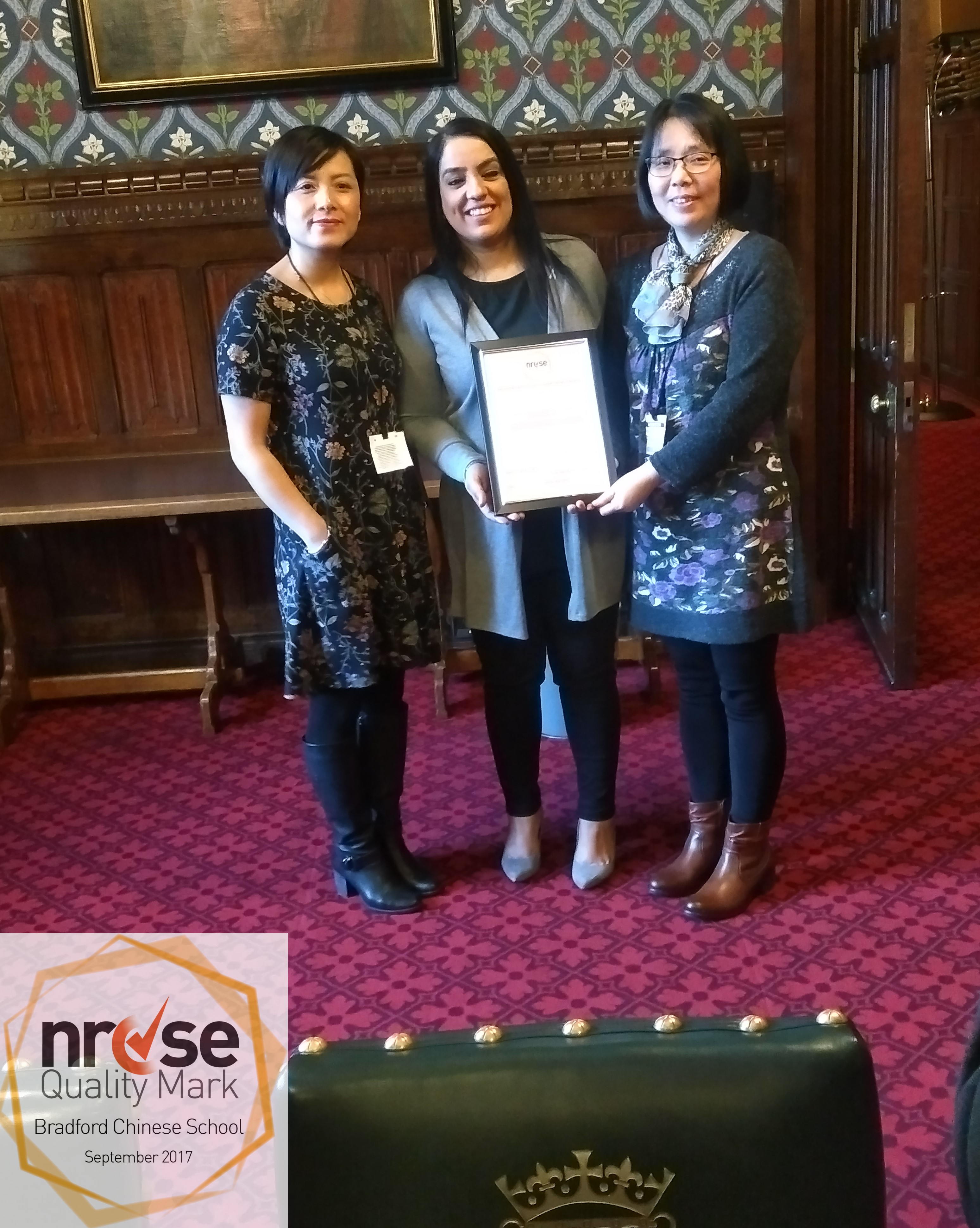
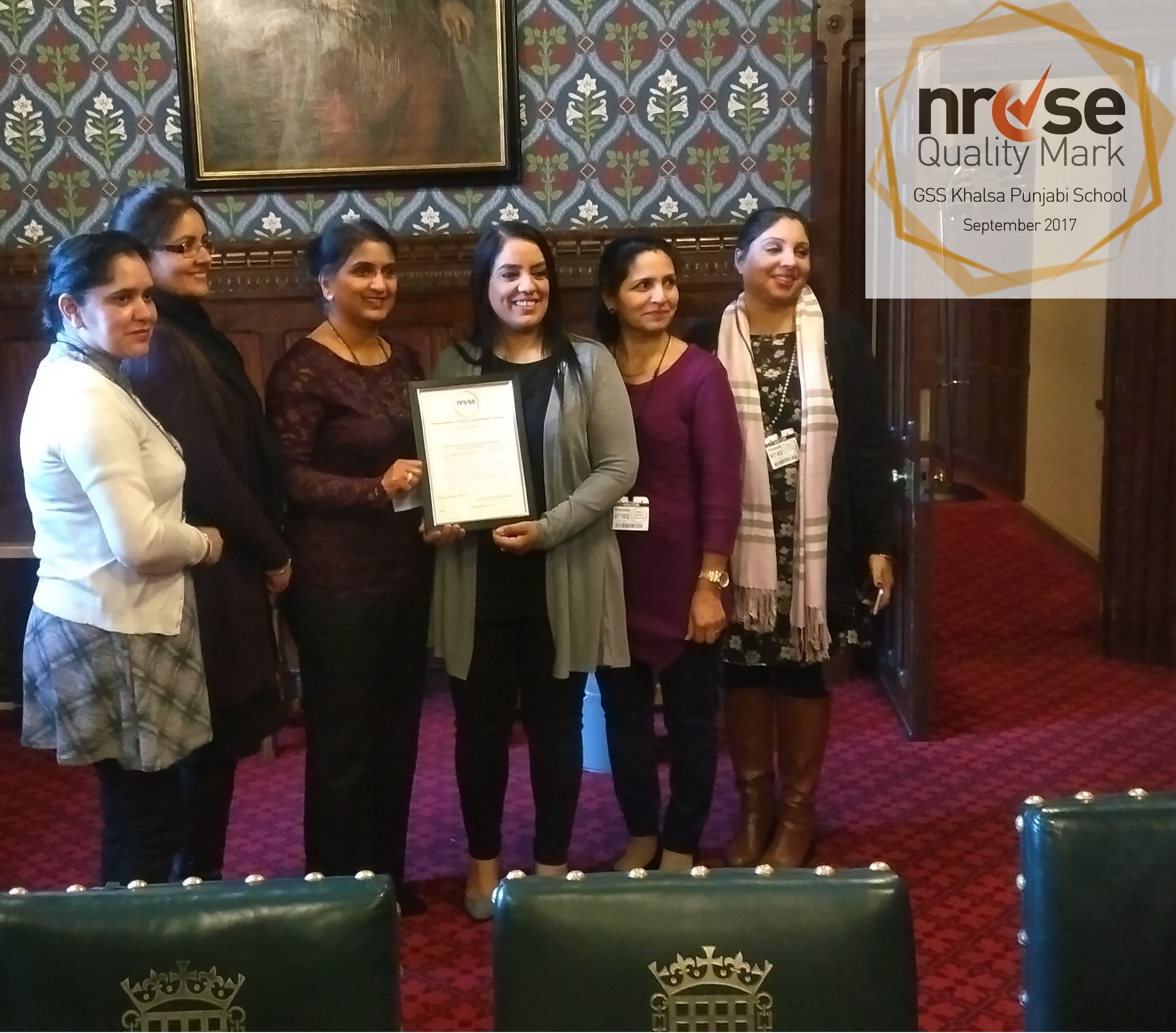
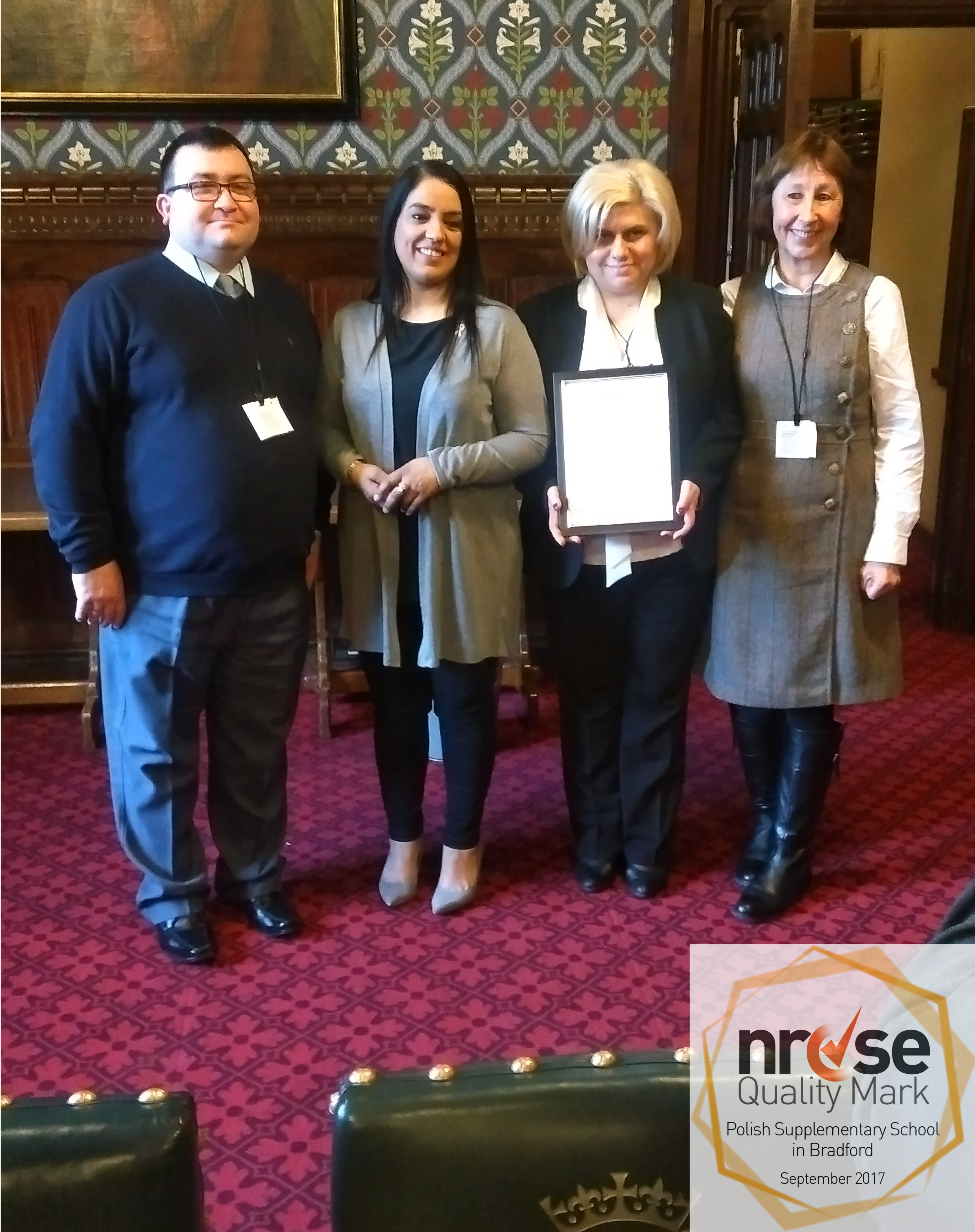
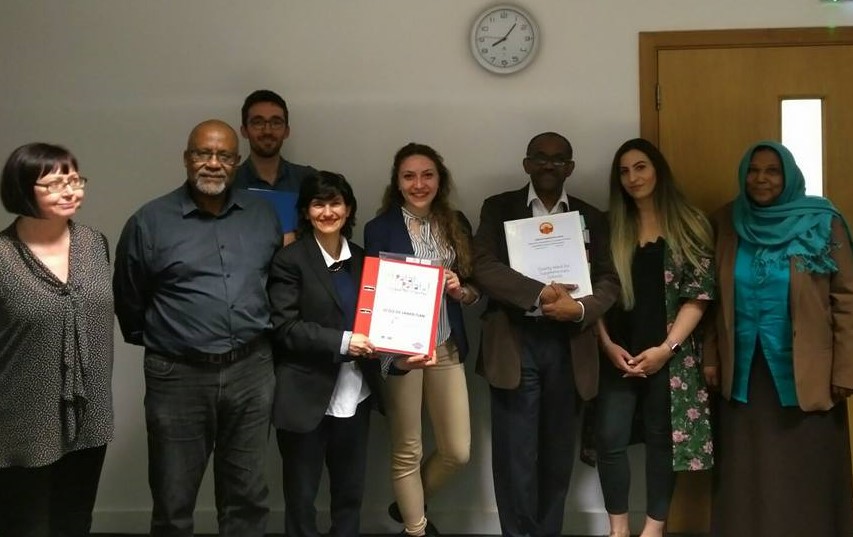
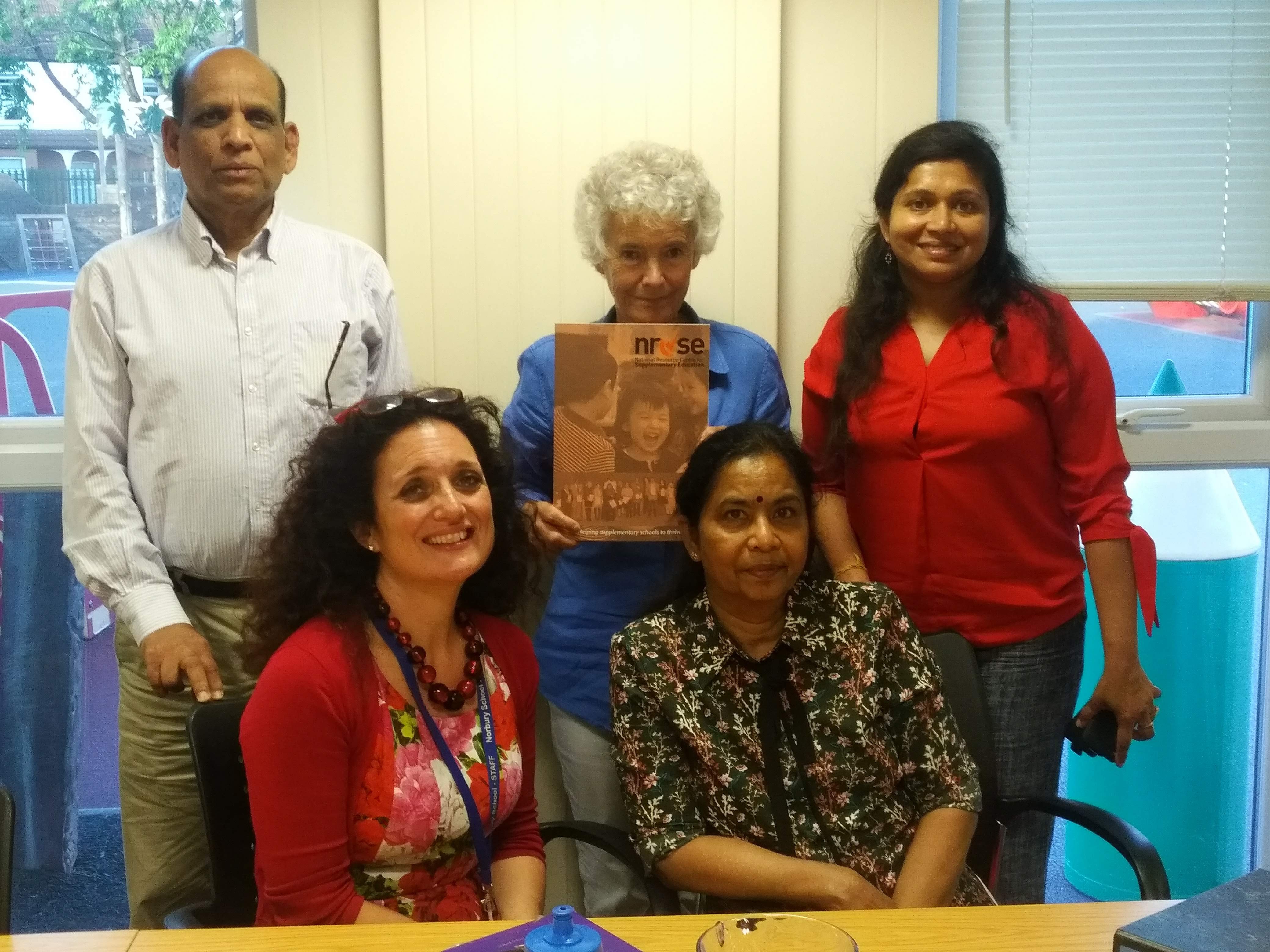
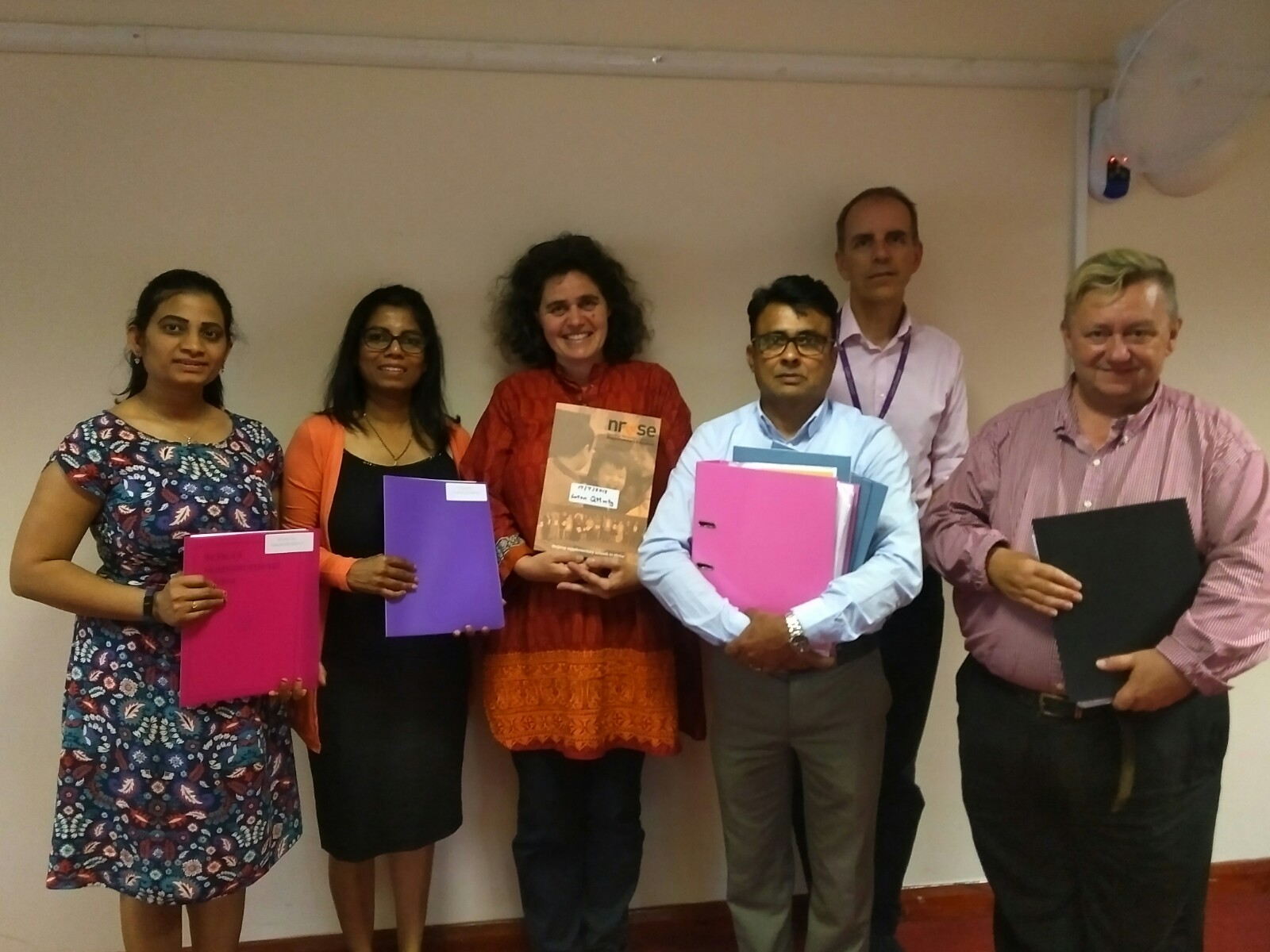
Since September 2017, supplementary schools in: Barnet, Bradford, Hammersmith & Fulham, Harrow, Kensington & Chelsea, Lewisham, Liverpool and Luton have completed NRCSE quality assurance. Two primary headteachers, two local authority EAL leads, one Secondary EAL consultant and a UNICEF assessor for Rights Respecting Schools have acted as educational experts providing a new level of expertise to the NRCSE’s quality assurance process and the opportunity for professional exchange on teaching and learning that supplementary schools have long been asking for. We are immensely grateful for their time and expertise given pro bono.
As a result, 18 schools have been awarded an NRCSE Quality Mark for Supplementary Education. Their Quality Mark reports are available to read on the directory of quality assured supplementary schools.
Quality assurance of out-of-school education
Since 2009, we have supported 493 supplementary schools to develop the quality of their provision. Through training, facilitation and moderation of nationally recognised and respected quality assurance for the supplementary education sector that:
- raises awareness,
- improves quality, and
- facilitates partnership
Quality assurance tools
- Online self-assessment against government standards
- 3-day Good Management course
- Site visits by quality development advisers and trained mentors
- NRCSE training (open, full-day, modular accredited)
- Quality recognition meetings
- Quality Mark Awards
To access all of these tools supplementary schools just need to join NRCSE
3-day Good Management course
Replacing the previous Bronze QF award, the 3-day Good Management course:
- enables us to give tailored guidance and advice that recognizes the strengths and the challenges of community-led provision;
- contact the relevant local safeguarding children board/s prior to delivery of the course, and
- ensure that local guidance and best practice is embedded in every aspect of safeguarding we discuss and practice with the schools.
Quality Mark portfolio of evidence
Reminder of the new quality standards in supplementary education
- Create an effective learning environment
- Teach effectively
- Record progress and achievement
- Choose the right resources
- Plan and develop your organisation
- Select and support staff and volunteers
- Make sure that children are safe
- Manage finances
Recognition meetings
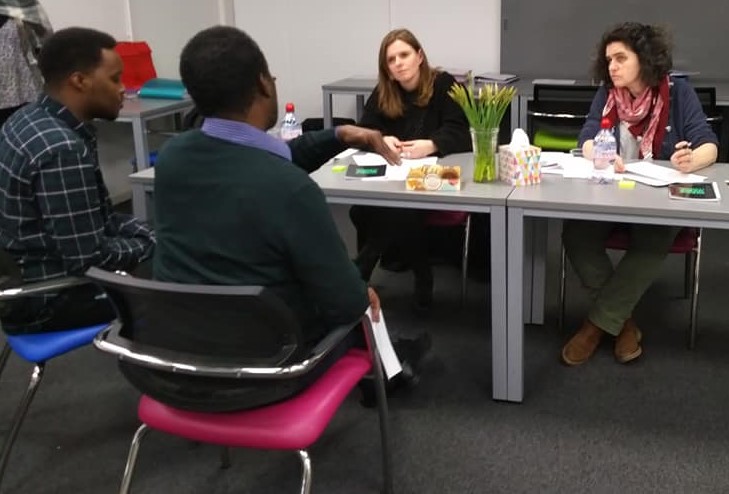
Supplementary schools present their portfolios to a ‘recognition meeting’ where two experts (one from a mainstream educational background and one from NRCSE) will:
- scrutinise the evidence,
- listen to a short presentation from school representatives,
- ask questions, and
- come to a decision about the level at which the 8 standards have been achieved.
Quality Mark Awards
Since September 2017, supplementary schools in: Barnet, Bradford, Hammersmith & Fulham, Harrow, Kensington & Chelsea, Lewisham, Liverpool and Luton have completed NRCSE quality assurance. Two primary headteachers, two local authority EAL leads, one Secondary EAL consultant and a UNICEF assessor for Rights Respecting Schools have acted as educational experts providing a new level of expertise to the NRCSE’s quality assurance process and the opportunity for professional exchange on teaching and learning that supplementary schools have long been asking for. We are immensely grateful for their time and expertise given pro bono.
As a result, 18 schools have been awarded an NRCSE Quality Mark for Supplementary Education. Their Quality Mark reports are available to read on the directory of quality assured supplementary schools.