Devasted that Luljeta Nuzi has died after a long fight with cancer. An incredible, dynamic, fierce woman whose optimism and passion for equality for all, in education, as women, as members of refugee and global majority communities will remain an inspiration for those who met her. I first met Luljeta in 2009 when she came […]
The added value of language and culture.
This NRCSE networking event proved to be a well-attended and interactive evening which examined the value and potential of using language and culture as a gateway to educational achievement and wellbeing.
The programme opened with a heartfelt poem titled ‘DICE’ written and performed by Annie Rockson, spoken word artist and Development Manager for Young Hammersmith & Fulham Foundation.
Presentations included a challenging and thought-provoking presentation Using language and Culture to teach a core subject by Dr Ornette D. Clennon, Visiting Research Fellow at Manchester Metropolitan University, on the role of education and Making Education a Priority (MEaP).
Thought-provoking, meaningful discussion generated by @revkollektiv ‘whose education ladder is it?’ Black children are climbing the ladder, achieving top grades, still not getting top jobs ‘we have to be more than our white counterparts’
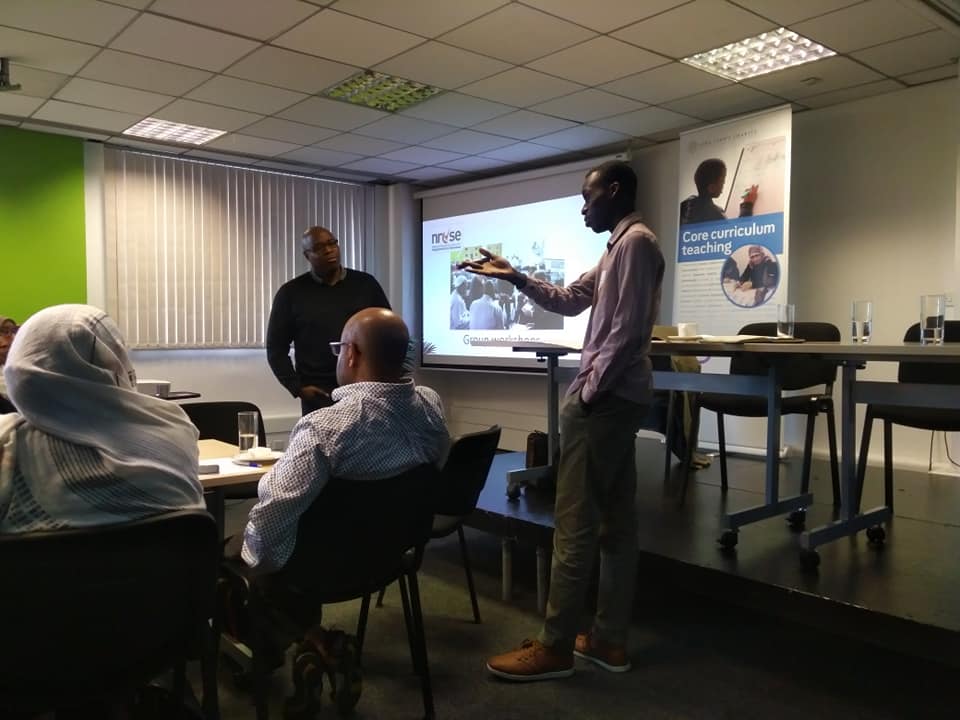
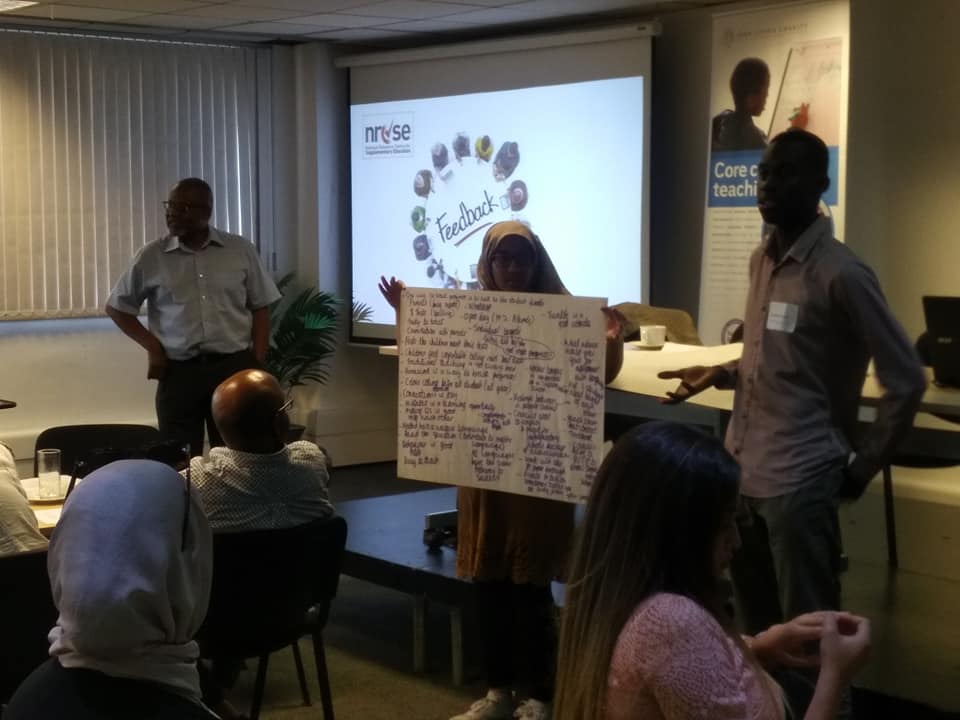
This was followed by an informative and practical delivery by Mojgan Soleimani and Cabdul Mohamed of the Harrow Maths Saturday club, exploring the possibilities of using language and culture as an added resource and ‘Tracking progress to measure success’.
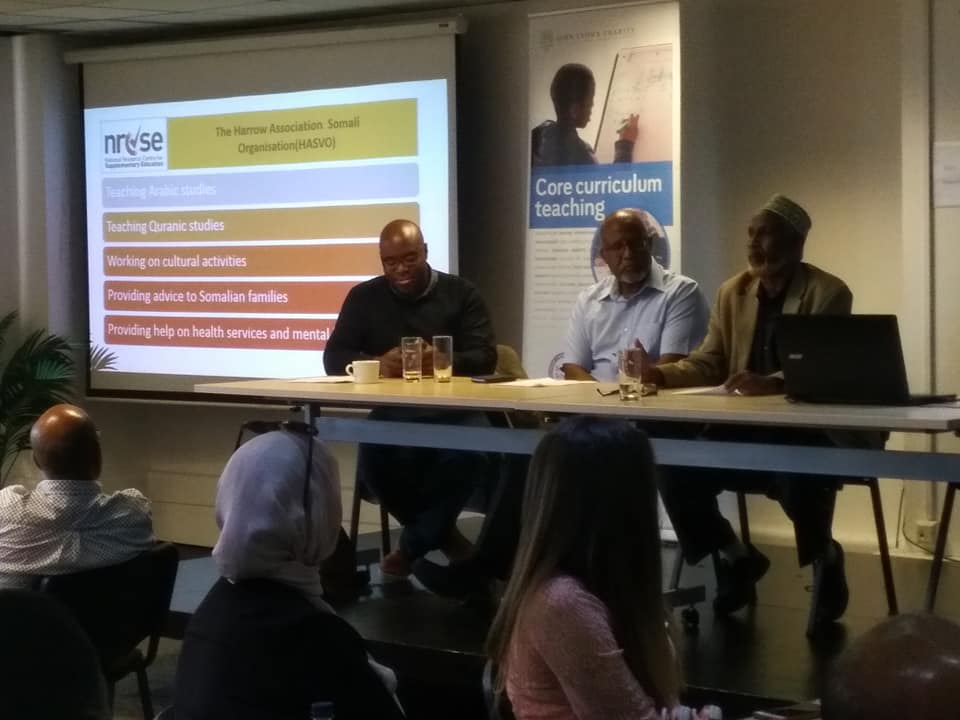
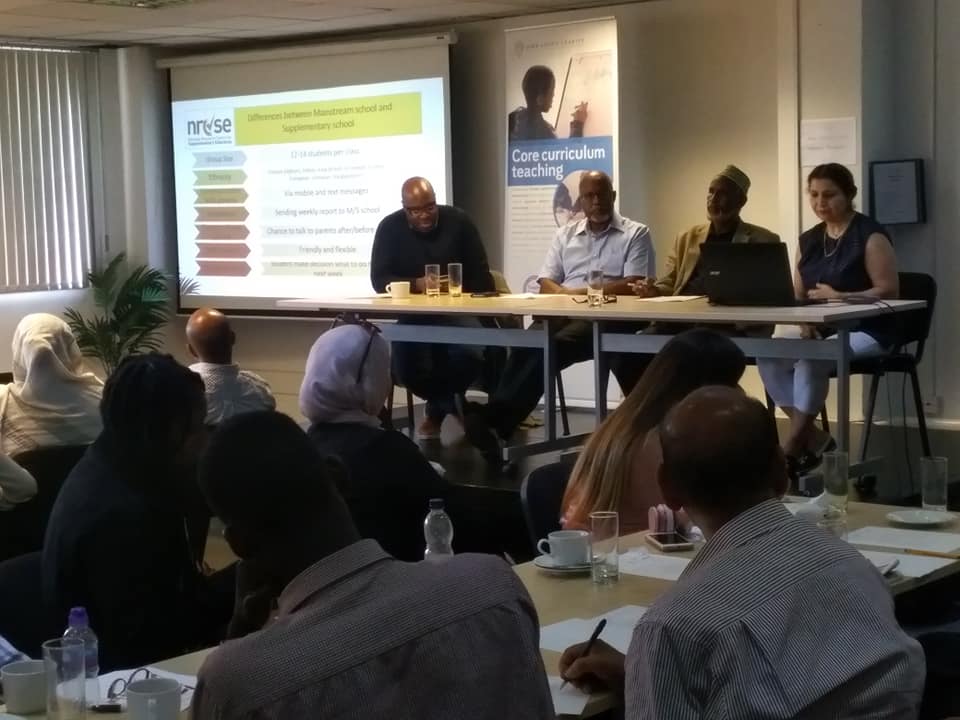 ‘Before my children went to Fatima’s maths class they weren’t doing well. We have to cooperate; we also have to challenge. Too many cuts’ ‘The parents need to think, what are my child’s skills, and help them every way they can to get there. Like Lewis Hamilton’s dad’
‘There’s nothing wrong with the traditional way to do long division. Telling children that while supporting them to understand the ways they are taught in their m/s school’ Empowers the parents, maintains children’s respect for them. Crucial! Fatima Salmani, Harrow Maths Saturday Club
‘Fatima uses assessment to motivate the children, to inform the parents, to determine what she teaches next. Every element of her teaching is informed by pupil assessment’ @angelabell1 ‘At Sudanese School we use maths/ science to add to their language’ Batoul, Sudanese School Westminster
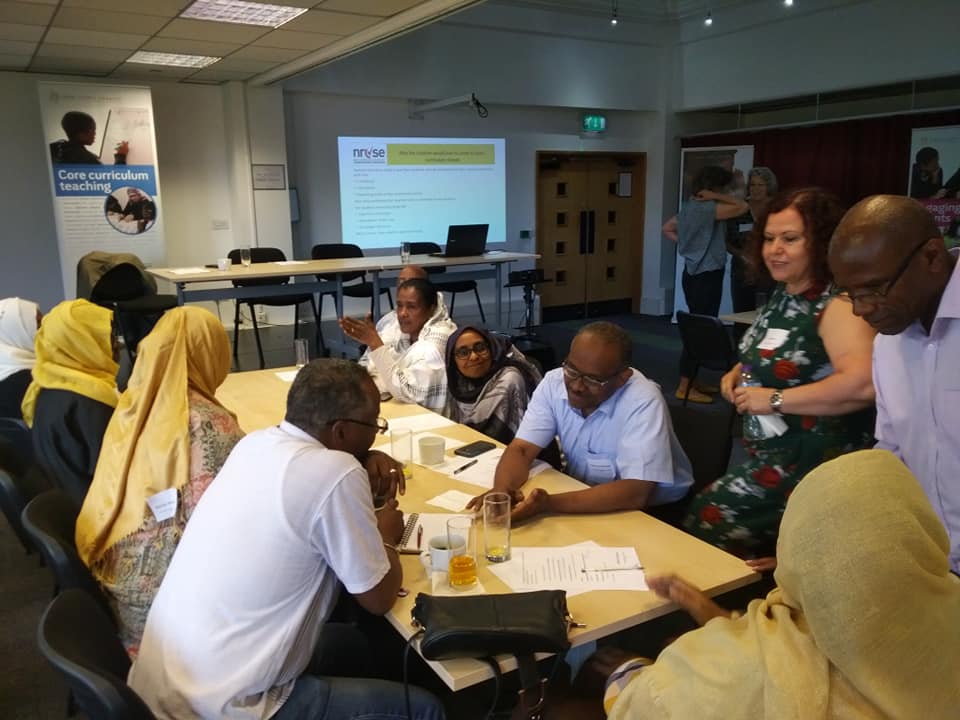
Following the presentations participants engaged and contributed in two interactive workshops sharing their experiences of good practice and the role of supplementary schools in raising self-esteem and attainment for all students who have English as an additional language or who have a cultural background that goes beyond England.
‘Yes, over time all the school careers advice has been cut. Those cuts hit ethnic minority communities the most. I’m a student careers adviser at uni but pupils need advice BEFORE they get to uni.’
‘Our children need to study. Ok, that’s normal like eating, but that isn’t enough in modern society….Schools need careers advisers, to work out with the children what their skills are, what they want to be ‘
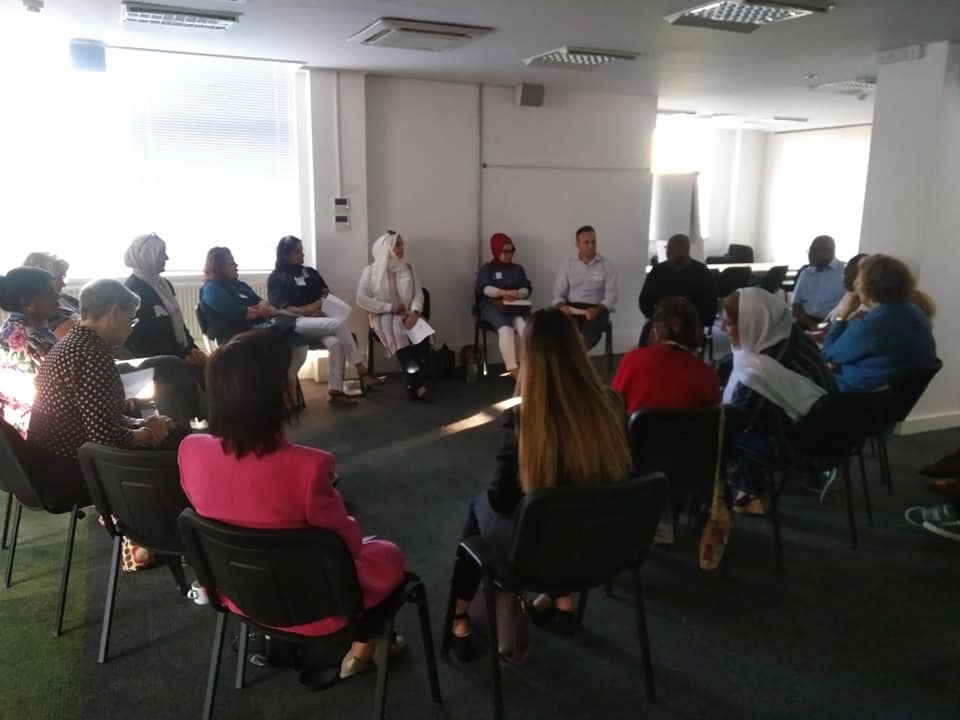
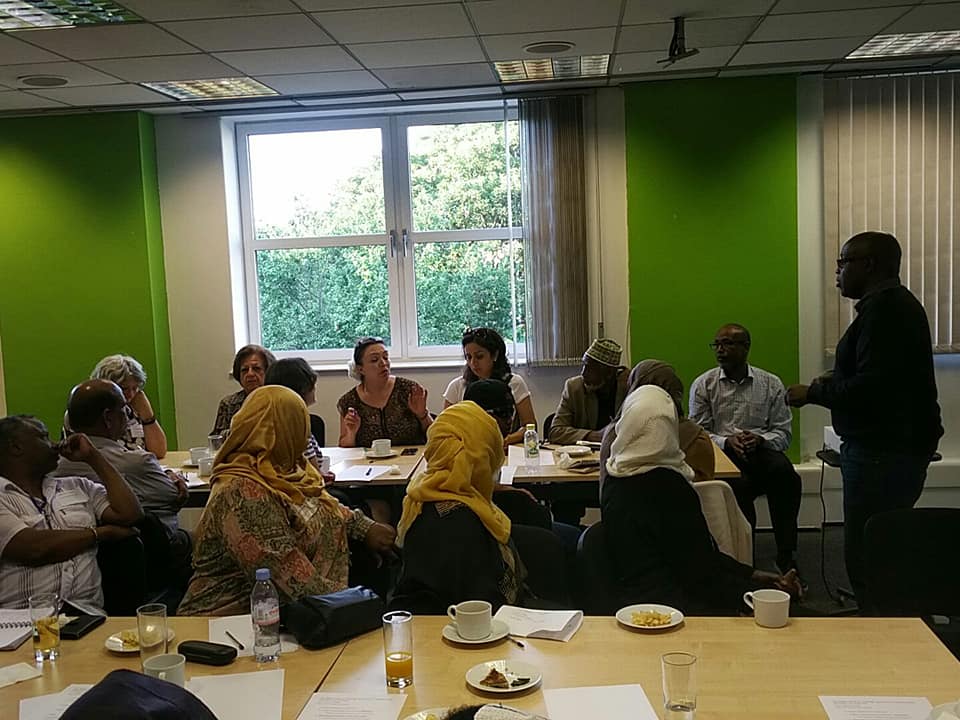
‘There is more work to do than parents sometimes realise. They need up-to-date information.’ ‘Supplementary School is a place where we can guide parents.‘ @revkollektiv supplementary schools can be even more radical. We need to be part of the conversation about new economies.
 The evening concluded with an award ceremony in recognition of the supplementary schools who had achieved the NRCSE Quality Mark and learners who had completed the Effective Teaching in Supplementary Schools OCN accredited course.
We would like to thank you all for attending and contributing in the NRCSE networking event: The added value of language and culture.
Congratulations, you have successfully quality assured your provision!
The following eight supplementary schools received the congratulations of their peers and the NRCSE Quality Mark at a seminar on the importance of language and culture taking place in London on 5th July.
You have successfully completed 360o quality assurance of your supplementary school. This quality assurance includes:
- governance training and revision of all the school’s policies and procedures to ensure that provision is both safe and effective;
- observational visits of classes in action by a professional supplementary schools’ mentor and conversations with pupils, staff, parents and management committee members;
- a witness report detailing the learning environment, teaching taking place, assessment of the school’s planning, including evaluation and community engagement;
- preparation and presentation of a portfolio of evidence which has been scrutinised by experts in the fields of education and community sector management.
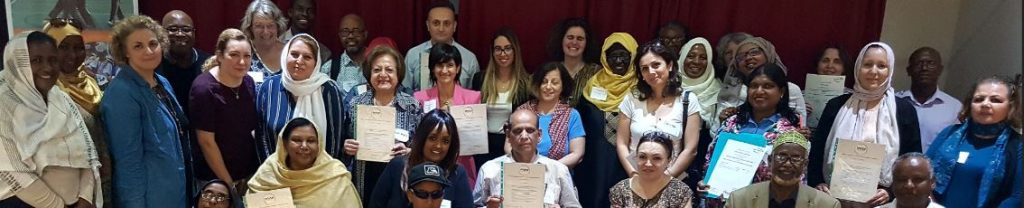
To read the Quality Mark reports for each school go to the Online Directory of Quality Assured Supplementary Schools and type Quality Mark in search box.
If you would like to quality assure your provision, complete the safeguarding quiz, subscribe to NRCSE and perform an initial self-assessment. Then get in touch with your local authority or a member of our Quality Development Advice Team.
Positive Messengers and Refugee Week
Refugee Week and the Positive Messengers campaign have teamed up to highlight their resources promoting anti-hate speech.

Below are the main actions Positive Messengers are taking, along with project partners such as the British Council and Hope Not Hate.
Would you be happy to do any of the below actions?
1) Share the British Council’s Be A Positive Messenger resource & link with their network of 100,000+ schools around the world:
We launched with the support of the British Council who have developed a specially-designed “Be A Positive Messenger Homework Challenge” PDF resource with 20 easy for schools in support of Refugee Week 2018.
Support this resource in the following ways & link with this valuable network:
a) Share this resource via Facebook:
http://bit.ly/BCPositiveMessengersFBshare
b) Share this link with your contacts directly (it helps if people download the resource, for us to measure the success of the resource):
https://schoolsonline.britishcouncil.org/classroom-resources/list/be-positive-messenger
… and of course, please download it yourself!
2) Check out Hope Not Hate’s “Difficult Conversations” interactive PPT tool (This is a shareable version of the training you signed up for last December):
“Difficult Conversations” provides techniques for engaging with individuals who are expressing hate speech, by using a combination of empathetic listening and Socratic questioning, proven to be “particularly effective in persuading people to change their thinking.”
Free download at: https://www.beapositivemessenger.eu/
3) Check out our Media Pack (attached) or overall campaign page for further ideas.
We will be re-tweeting and sharing anything you post to our other contacts.
If you have anything activities you would like to share through this network please get in touch asap.
Many thanks!
Philip Harding-Esch & Sara Wickert
“Be A Positive Messenger” campaign in support of #RefugeeWeek2018
www.beapositivemessenger.eu
Family First Nights 2018
Family First Nights 2018
June 13 @ 5:00 pm – 6:30 pm

Send your families to the theatre for only £6 a ticket!
23 July – 27 August
Family First Nights is a unique family theatre access programme celebrating its 20th anniversary this year. We want to invite you and your families to be a part of it!
To register as a partner organisation, simply complete this short registration form and we’ll get back to you to with next steps.
We’re holding partner ambassador meeting on 13th June, from 5.00 pm to 6.30 pm at The Bloomsbury Central Baptist Church, where you can find out more about the events programme and collect brochures to distribute to your families.
After the meeting attendees can go on to see Motown The Musical at Shaftesbury Theatre afterwards, at a special discounted rate of £15 per ticket (2 tickets per organization)
Register on the Moustrap Website
Any questions?
Contact: Elaine Grant at Mousetrap Theatre Projects
Tel: 020 632 4116
Email: elaine@mousetrap.org.uk