Devasted that Luljeta Nuzi has died after a long fight with cancer. An incredible, dynamic, fierce woman whose optimism and passion for equality for all, in education, as women, as members of refugee and global majority communities will remain an inspiration for those who met her. I first met Luljeta in 2009 when she came […]
National Restrictions from 5 November – Information for Out of School Activities
The purpose for the national restrictions from 5 November 2020 is to reduce the spread of the virus. The main message is to stay at home, except for specific purposes. One of the specific purposes is for education and childcare. With regards to out-of-school settings in particular, please read the following Department for Education advice and new guidance:
Out-of-school activities (including wraparound care) may continue to operate if their primary purpose is providing registered childcare, or where they are offering other childcare activities, where this is reasonably necessary to enable parents to:
- Work or search for work
- Undertake training or education
Out-of-school activities may continue to operate for the purposes of respite care, including for vulnerable children.
Out-of-school activities that are primarily used by home educating parents as part of their arrangements for their child to receive a suitable full-time education (which could include, for example, tuition centres, supplementary schools, or private tutors) may also continue to operate.
Youth support services, including 1-1 youth work and support groups, may also continue to operate.
These settings should continue to undertake risk assessments and implement the system of controls set out in the protective measures for holiday clubs and after-school clubs and other out-of-school clubs for children during the coronavirus (COVID-19) outbreak guidance. Providers of youth services and activities should also refer to the National Youth Agency’s guidance for managing youth sector spaces and activities during COVID-19, where it is relevant to do so.
All other out of school activities, not being primarily used by parents for these purposes, should close for face-to-face provision but can offer remote education, for the duration of the national restrictions. (look at our guidance for ensuring that remote and online provision is run safely and effectively)
It is also important to note that some premises which settings would typically operate out of may only be able to open for certain limited purposes. You should check the latest guidance on new national restrictions from 5 November to see which businesses and venues can open and for which purposes.
Relevant guidance can be found here: https://www.gov.uk/guidance/education-and-childcare-settings-new-national-restrictions-from-5-november-2020
Remote teaching in supplementary school settings
As part of the preparation for our new Remote Teaching & Digital Skills course, NRCSE tutor, Akhita Benjamin, interviewed four supplementary schools to find out more about how they were engaging with their pupils and adapting their support to ensure that vital cultural engagement continued through lockdown.
With many thanks to Al Ola Arabic School, LPF Kiddies Club, Harrow Somali School and Rustam School we reproduce some of their answers and tips here. The full report is available from NRCSE.
Al Ola Arabic School – interview with co-founder, Jihan Salha and teacher Noura Salhani on 27th July 2020
Al-Ola Arabic School teaches Maths and Arabic Language to children from varied backgrounds and are particularly keen to support children with Special Educational Needs (SEN). Some of the children come from Arabic-speaking backgrounds; others are second generation, where English is spoken at home and the adults are also learning whilst supporting the children. The children seem to be doing much better now that they have the support of the parents when they are learning from home.
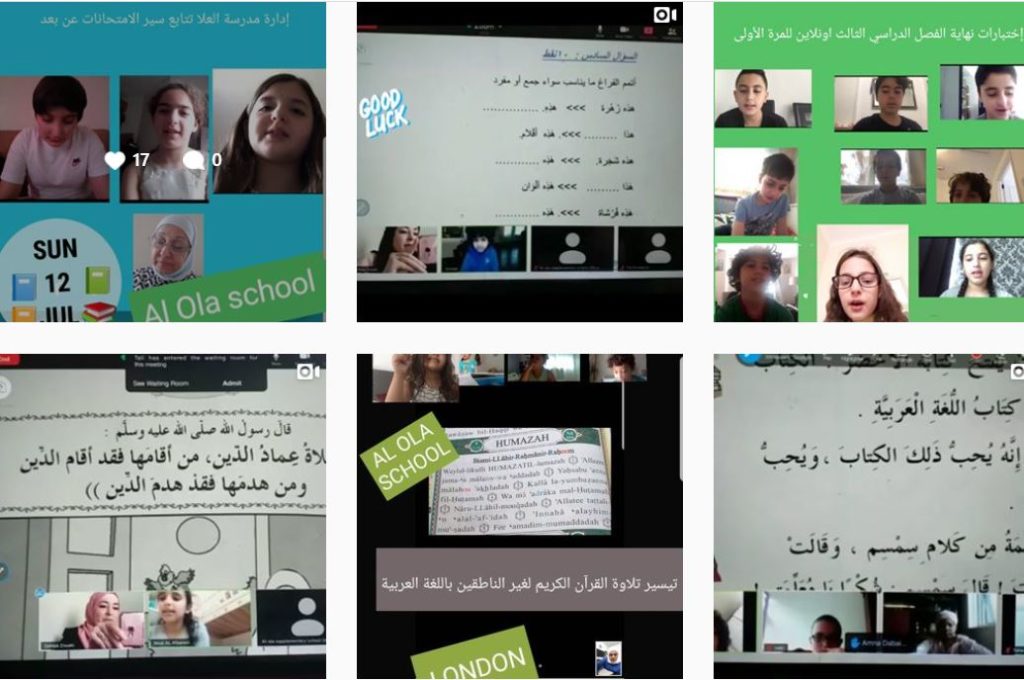
Making the transition to remote learning The decision was made quite early on (15th March) to move learning online. The school already had a WhatsApp group for the parents and so were able to communicate what was happening very quickly. The SLT (Senior Leadership Team) made the decision to move online and started using Skype for video communication. The parents were all on board and willing to use the online format.
The younger children were put into smaller groups and split up during the day. A PowerPoint presentation was sent to the parents prior to each lesson explaining what resources they would need to provide for the children to complete the lesson. These would be general household items so that all children could be included in the lesson.
At the end of the term, an end-of-year test took place online. This was sent to the parents by e-mail requesting that the children not be given any help. Secondly there was also a one-to-one verbal test online. The children were given slots of 10 minutes each and parents were sent a time-table beforehand so they knew what time their child needed to be ready. The written test had to be timed by the parents and also returned by a timed deadline. However, it was in the format of an open book exam. The school continued to help children with Special Educational Needs. There was a small group of 5 children each getting one-to-one help for 20 minutes each session. They did verbal tests online with their teacher. Their special needs included Autism, ADHD, Dyslexia and Global Delay. Staff and parents are very open about sharing information about the children’s learning needs. It was also important to help the parents to explain to the children about the Corona virus to allay their fears and anxieties because some children did not understand what was happening.
Even when they return to classroom based lessons they will continue with online sessions outside of the classroom for extra support. They are planning to use the new resources that they have now learnt about in their online delivery in September. They are also considering having pre-recorded lessons and a homework club.
Harrow Somali Supplementary School – interview with Ali Kofi, Cabdul Mohamed and Fatima Salmani on 9th July 2020
Harrow Somali Supplementary School provides tuition in Maths and Arabic. They have been able to move the Maths provision online but the Arabic language classes have been difficult to transfer to the new format. Prior to school closures there was no remote teaching at all so this is a new area of work for everyone. However, they did have health & safety and safeguarding measures in place.
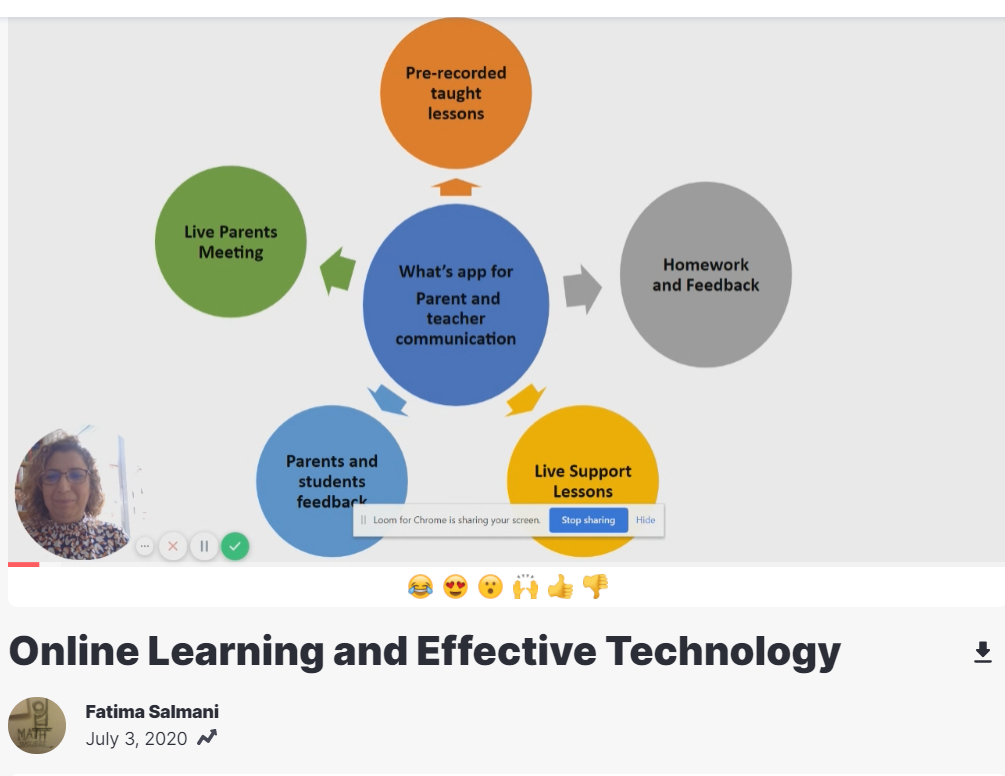
School closure When school closures happened they had anticipated going back to classrooms after the Easter Holidays, so did not consider remote teaching at this stage. When the mainstream school they were using as their venue remained closed, they started using a range of technology including WhatsApp to initially communicate with the parents. It was important to carry out regular consultation and surveys with the parents. They used the feedback to plan future lessons.
Choosing digital platforms The SCEA team looked at what other providers were doing and saw that many were using Zoom as a platform to continue teaching classes. Fatima was familiar with using Zoom and decided to try using it for the Maths lessons. They were also able to speak with Joy Collins, the co-ordinator of Harrow Supplementary Schools Forum, to continue using their funding to transfer classes to the online format.
They investigated and found other digital tools useful e.g. Kahoot and Seesaw. Students can also take photos of their work and upload back to the teacher. It was important to first arrange a meeting with parents who welcomed knowing what was going to be happening and being able to discuss e-safety when using Zoom. SCEA followed the NRCSE guidelines for remote teaching during school closures and parents agreed to commit to the same day and time for online classes and also to stay in the room while their children were learning online.
Prior to making the decision to transfer to remote teaching they attended a webinar put on by NRCSE which also gave a number of useful ideas and helped them to choose what was suitable and would work best for them. The teachers tried Seesaw but it didn’t suit their teaching format. Kahoot suits them better. Teachers used Kahoot for setting challenges before they came to class. Pre-recorded lessons on Loom were very useful because they could be personalised to suit the specific needs of individual children. Homework was set on WhatsApp and students would send a screen shot to the teacher for marking, then the marked work was sent back. ALL communication was via the parents’ WhatsApp as NO contact was made with the children on their own personal devices. They now use Telegram instead of WhatsApp because it is more secure. The teachers also used One Note to store all the work. It was important to use digital tools that would be easy for parents as some have low level IT skills. One Note was easy to store and share resources with children and also to keep track of their progress.
All students attended classes on time and enjoyed the sessions throughout the summer term. Teachers have got feedback (from both students and parents) that attending online classes is better than being in the classroom. They have also seen that student progress and achievement has improved. The teachers are happy with the current format as the short intense bursts of learning allow the student to remain focused on the task with no distractions. They envisage continuing to support children with online learning even after returning to classroom based lessons in the autumn term and will consider blended learning, perhaps with one teacher on the premises and one teacher working online.
Rustam School – interview with founder and headteacher, Shahla White on 28th July 2020
Rustam School teaches Persian to students up to ‘A’ Levels. They also teach drama as an extra-curricular subject to support language and literature content.
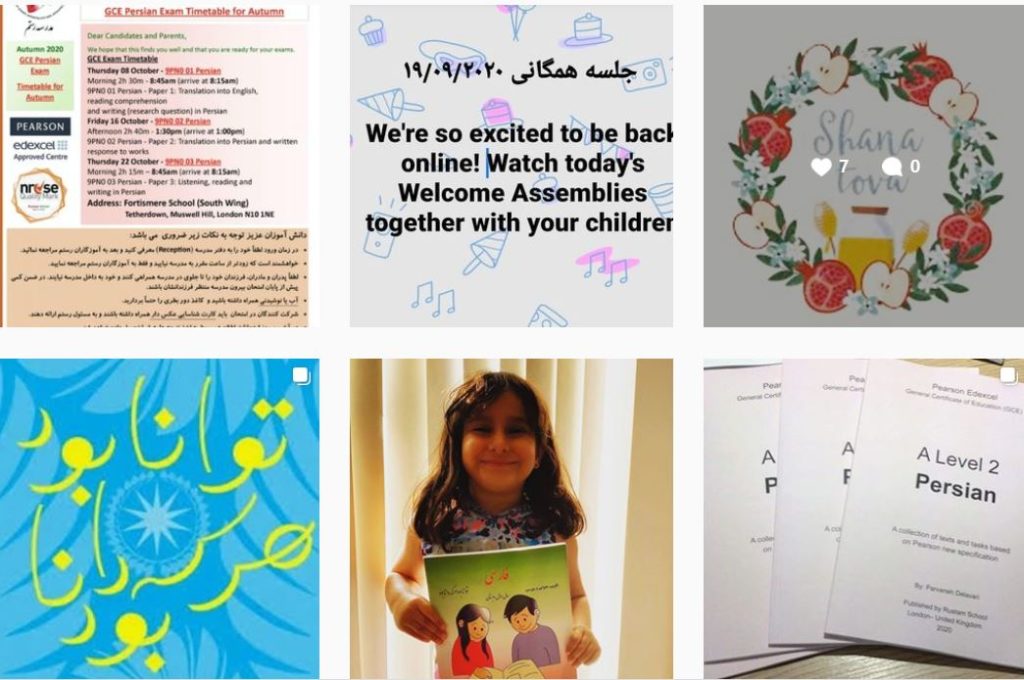
School closure On 7th March parents were already concerned about children’s safety as the school had been asked to relocate to a different annexe of the mainstream school venue that they use. A lot of time, effort and money was spent on cleaning and disinfecting all the rooms and it was disappointing that only 10% of children attended class on that day. Therefore a decision had to be made about how to proceed from there. They carried out a consultation with the parents via each teacher’s WhatsApp group for the parents of their own class. They also used WhatsApp to communicate with the PTA and e-mails with the teachers. They were able to organise a meeting and make the decision to transfer to online classes on 14th March.
Planning for using digital platforms RLS started using Zoom as it was a familiar platform, although they felt they had to address some doubts about the e-safety of Zoom. They planned a new timetable of 40 minute sessions but this proved very difficult for the younger age groups to maintain. They later decided to buy into the enhanced level of Zoom, which gave additional time limits and safety features. They set up four lessons of 40 minutes each with a break in-between. The Head Teacher and Deputy Heads all had access codes to enter the classes and used these to visit the classes and check on progress. They observed the strengths and areas for improvement and used this to determine the training needs and the level of resources. There were 190 students (roughly 60%) attending online classes.
News bulletins were sent out on both WhatsApp and e-mail and the new timetable was working to plan. Schemes of work were planned and prepared and, during the Easter holiday, they worked hard on training, resources and planning. After Easter the quality of teaching online increased and the children preferred the online courses. They made use of YouTube for showing videos and drama and also did whole school assemblies. They had an end of term celebration and the parents took an active interest. The children did a play about each of the characters they had learnt about – they had separate parts to play and it was all put together by one of the language teachers.
Achievements The school finished the term with 18 students taking ‘A’ levels – they were all put forward to CAGs (centre assessed grades) as were 37 GCSE students. All paperwork was digitalised so that students could fill and upload forms online, as well as using additional digital tools like Survey Monkey. All the CAGs were accepted by the examination board.
They used a variety of resources to teach during the last term – for the younger children the teachers put a series of songs together on video. They also used a combination of Zoom, WhatsApp and YouTube with the teachers’ own resources shared on screen. They introduced an e-safety policy for teachers and parents. The children were also able to use their Rustam series textbooks to carry on learning offline. It was a challenge to get books to all the children and they may need to think about using digital books. The students prefer to work from books as they can complete worksheets and activities. They found it easy to teach language through songs, stories, pictures and using the share screen facility. Students also appeared to be less intimidated to speak the language because they were on their own at home. Being online gave the teacher a wider range of resources to use for teaching. Online discipline was also very good. Many of the children come from mixed heritage/ mixed nationality backgrounds and don’t speak Persian languages at home. Teaching online took the spoken language into the home and parents engaged more with their children’s learning as a result. They have also discovered that they do not have to miss out on school trips to the museum etc. because they have been able to access virtual tours of galleries and museums both in Iran and London.
LPF Kiddies Club – interview with founder Carmel Britto on 8th July 2020
LPF Kiddies Club is a family-led out of school club which offers a range of supplementary education provisions. They have always provided an educational element to their service delivery with cultural heritage firmly embed in all they do, however in recent years they have redefined their curriculum to weigh more heavily on Science with a particular focus on technology and engineering. The cultural nurturing aspect of the curriculum has a great deal of buy-in from the parents and helps to encourages family learning and community engagement.
LPF Kiddies Club have a number of strong working partnerships which enables them to provide high quality educational enrichment. They have partnered with UCL to deliver workshops which allows them to access the universities facilities and resources, they have co-produced programmes for younger cohorts with numerous science agencies and have been funded by the British Science Association to deliver science-themed community events and projects. The last face-to-face science event they hosted was in March before class closures occurred.They had to quickly think of what to do next and look for solutions. Their main focus was to look at how to maintain engagement and learning as well as to continue nurturing the Club families.
School closure They began initially by phoning families to check on their wellbeing. This led to signposting to other services and nurturing families around the health and protection measures that were in place. They also used WhatsApp and video messaging at this time. Their provision has always been about the community and they needed to maintain those community ties.
They then started sending out ‘daily challenges’ using WhatsApp and the children were responding to this very well. This increased to sharing information on social media (they have a website, instagram, twitter and a Facebook page) and they then started thinking about more sustained online delivery. There were partnership programmes planned that could no longer go ahead and they had to work on filling the gaps online.
Choosing digital platforms Initially LPF Kiddies Club had the option of using e-mail, WhatsApp, social media or video links. Not all the children had access to resources e.g. internet access, laptops and materials at home. They started sending out packs of learning resources in the post, but this proved ultimately too expensive and they also had limited capacity for printing all the resources. They also had to consider managing parents’ needs in dealing with work that was being sent home by the mainstream school (or not as the case may be). There was a recognition that some parents were stumped by the sudden responsibility of home learning. The Club did a number of sessions to support parents with this.
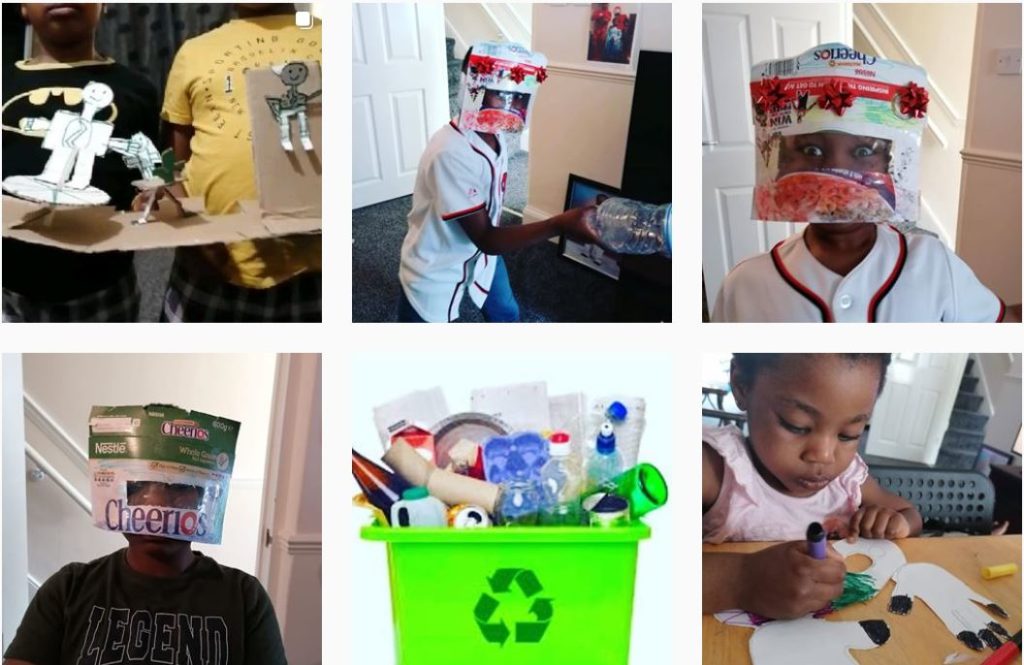
There is still some resistance to remote learning on a long-term basis with concerns that it takes away the nurturing aspect of the work done with children. Also, some children are not able to access the internet or suitable devices all the time. They did an audit of needs and resources and identified where the shortfalls were. This helped them to determine the level of engagement and what their content would look like. LPF Kiddies Club have decided to use different platforms to meet the varying needs so they are able to reach out to everyone in some way. Apart from the usual technical issues, the new provision is working well for most of the pupils. They have made activities for them to do that would only require materials that they would normally have around the home. The children can use basic household items to complete activities then send their pictures back to the teachers. They also provided pupils with links to videos and made their own recorded demonstrations to show pupils other areas of the learning.
Conclusion
Supplementary schools mainly operate in mainstream school premises and other community venues. So, for the most part, their return to classroom based teaching will be determined by the new rules that are put in place by these venues at the start of the autumn term.
It has clearly been a steep learning curve for most schools, with teachers at different levels of confidence using online technology for delivering lessons. In the end, varying levels of training were put in place, ranging from self-taught by trying things out online to attending more formal NRCSE training sessions. All the schools featured in this research were able to develop and put in place a good standard of teaching online, with a number of teachers growing in confidence as they began delivering lessons using the digital tools.
There is still uncertainty about how and for how long children will be able to take classroom-based lessons. What is clear is that supplementary school teachers in many settings are now well-equipped with the knowledge and skills to continue teaching online or using blended learning.
For information about what NRCSE is doing to support supplementary schools to meet the challenge of remote teaching look through our posts and join one of our online training courses.
The added value of language and culture.
This NRCSE networking event proved to be a well-attended and interactive evening which examined the value and potential of using language and culture as a gateway to educational achievement and wellbeing.
The programme opened with a heartfelt poem titled ‘DICE’ written and performed by Annie Rockson, spoken word artist and Development Manager for Young Hammersmith & Fulham Foundation.
Presentations included a challenging and thought-provoking presentation Using language and Culture to teach a core subject by Dr Ornette D. Clennon, Visiting Research Fellow at Manchester Metropolitan University, on the role of education and Making Education a Priority (MEaP).
Thought-provoking, meaningful discussion generated by @revkollektiv ‘whose education ladder is it?’ Black children are climbing the ladder, achieving top grades, still not getting top jobs ‘we have to be more than our white counterparts’
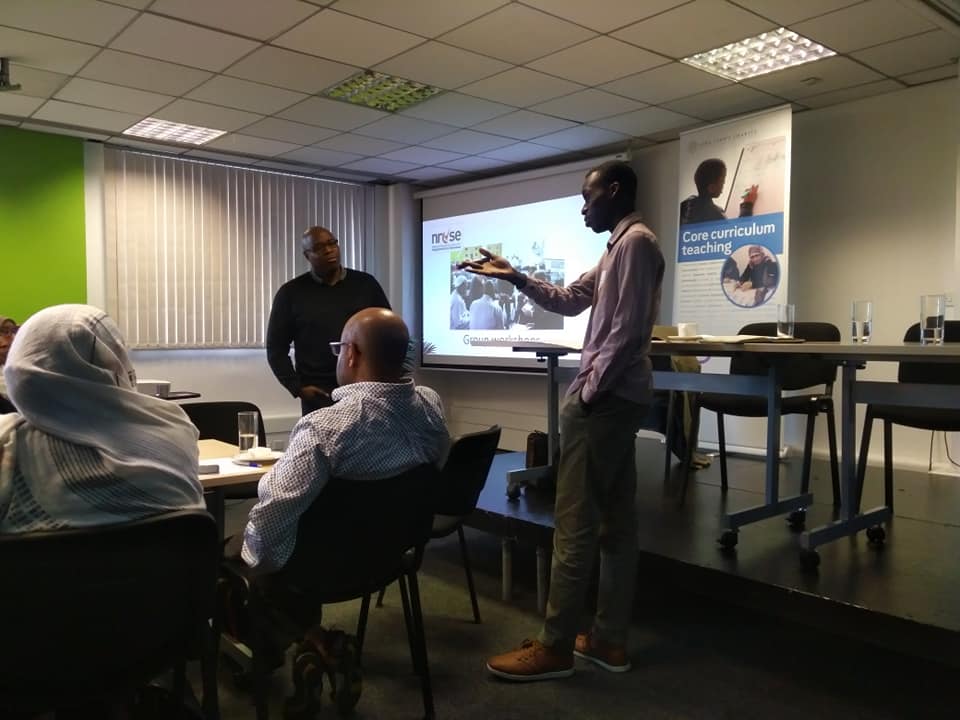
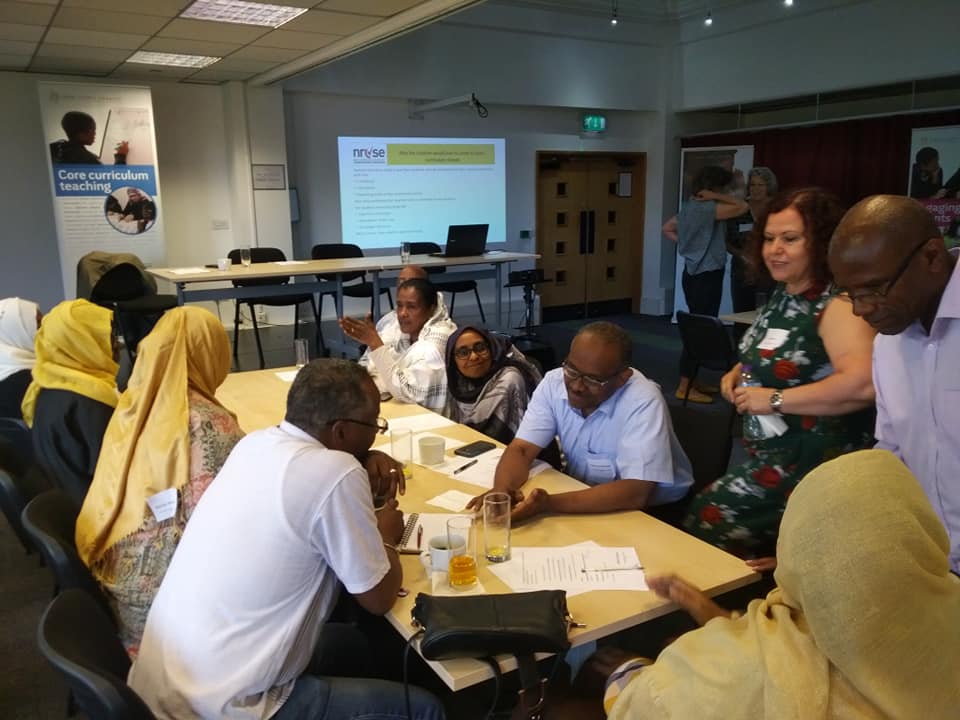
This was followed by an informative and practical delivery by Mojgan Soleimani and Cabdul Mohamed of the Harrow Maths Saturday club, exploring the possibilities of using language and culture as an added resource and ‘Tracking progress to measure success’.
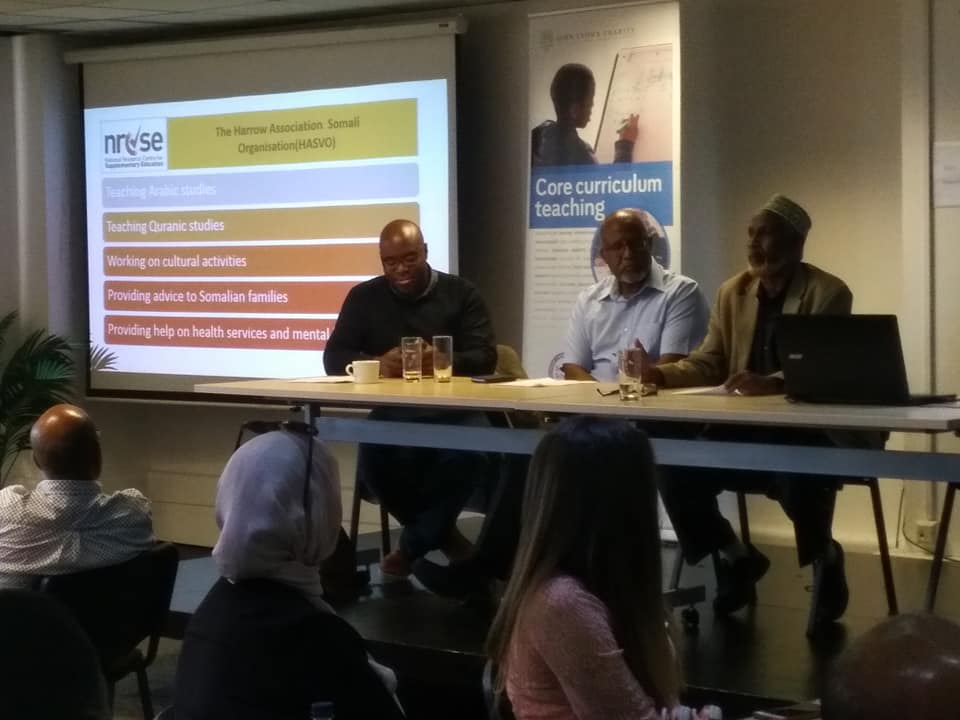
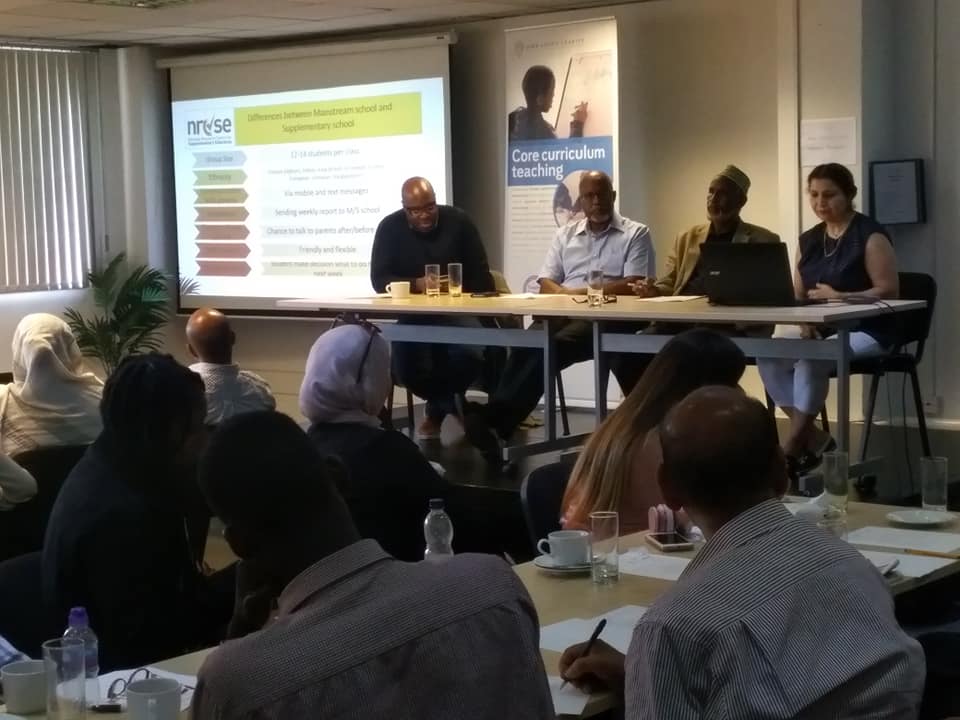 ‘Before my children went to Fatima’s maths class they weren’t doing well. We have to cooperate; we also have to challenge. Too many cuts’ ‘The parents need to think, what are my child’s skills, and help them every way they can to get there. Like Lewis Hamilton’s dad’
‘There’s nothing wrong with the traditional way to do long division. Telling children that while supporting them to understand the ways they are taught in their m/s school’ Empowers the parents, maintains children’s respect for them. Crucial! Fatima Salmani, Harrow Maths Saturday Club
‘Fatima uses assessment to motivate the children, to inform the parents, to determine what she teaches next. Every element of her teaching is informed by pupil assessment’ @angelabell1 ‘At Sudanese School we use maths/ science to add to their language’ Batoul, Sudanese School Westminster
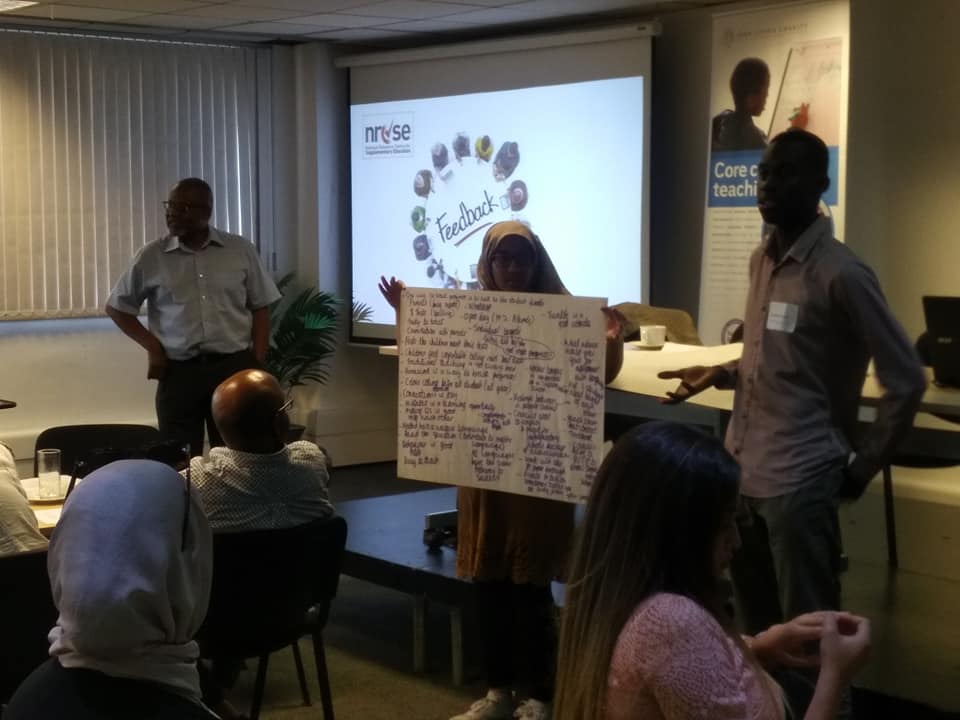
Following the presentations participants engaged and contributed in two interactive workshops sharing their experiences of good practice and the role of supplementary schools in raising self-esteem and attainment for all students who have English as an additional language or who have a cultural background that goes beyond England.
‘Yes, over time all the school careers advice has been cut. Those cuts hit ethnic minority communities the most. I’m a student careers adviser at uni but pupils need advice BEFORE they get to uni.’
‘Our children need to study. Ok, that’s normal like eating, but that isn’t enough in modern society….Schools need careers advisers, to work out with the children what their skills are, what they want to be ‘
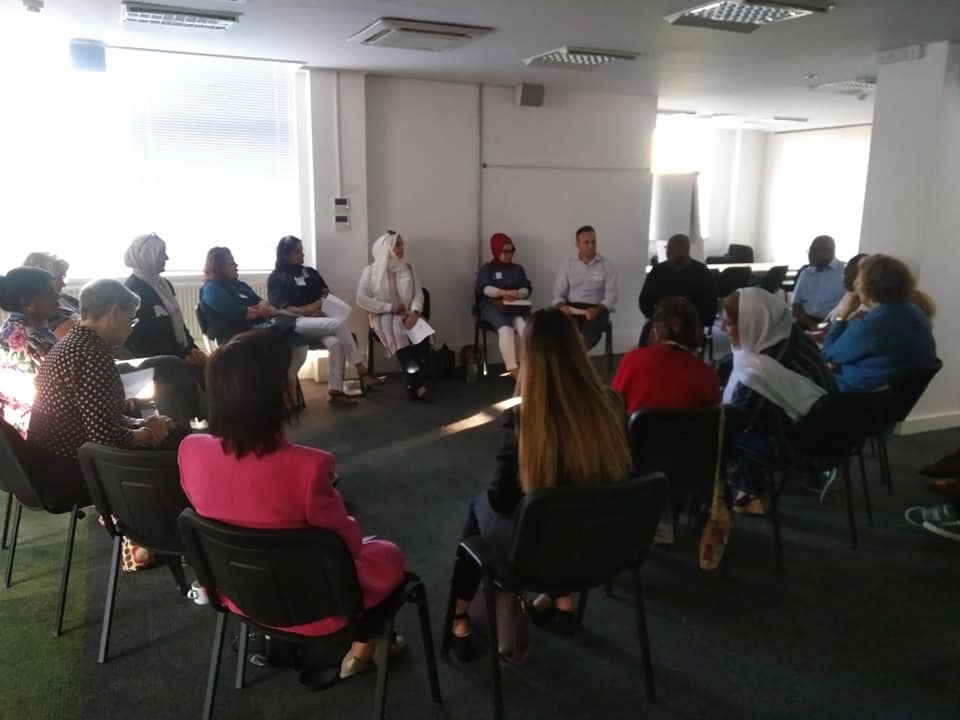
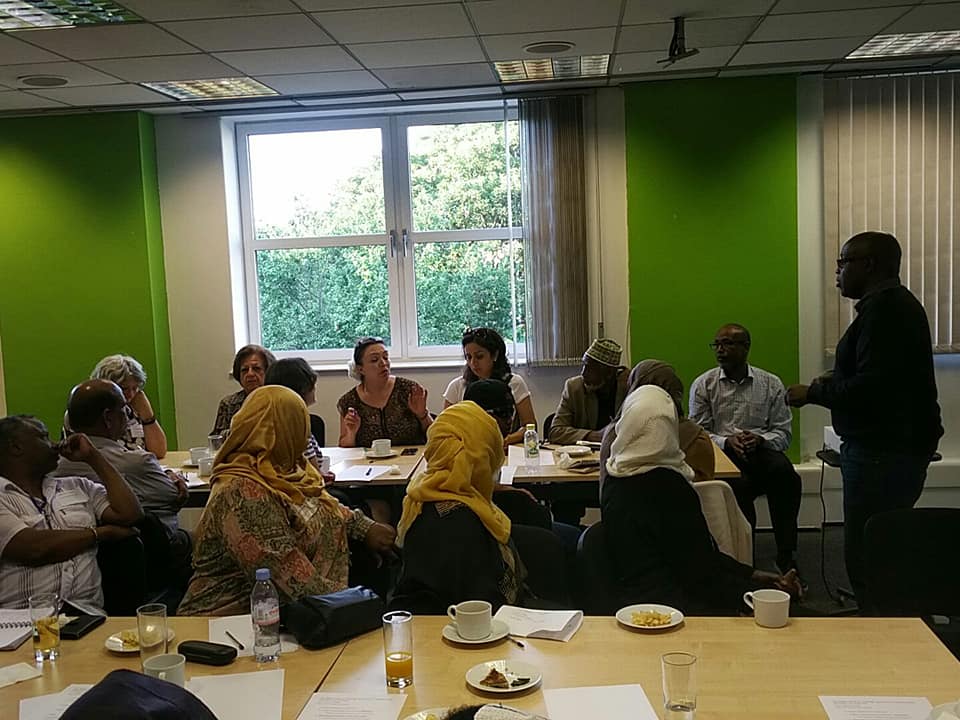
‘There is more work to do than parents sometimes realise. They need up-to-date information.’ ‘Supplementary School is a place where we can guide parents.‘ @revkollektiv supplementary schools can be even more radical. We need to be part of the conversation about new economies.
 The evening concluded with an award ceremony in recognition of the supplementary schools who had achieved the NRCSE Quality Mark and learners who had completed the Effective Teaching in Supplementary Schools OCN accredited course.
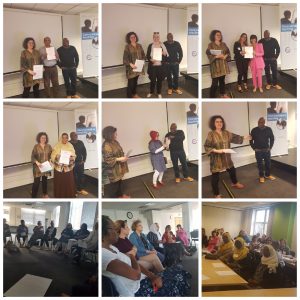
We would like to thank you all for attending and contributing in the NRCSE networking event: The added value of language and culture.
Honour for NRCSE Executive Director and recognition of supplementary education
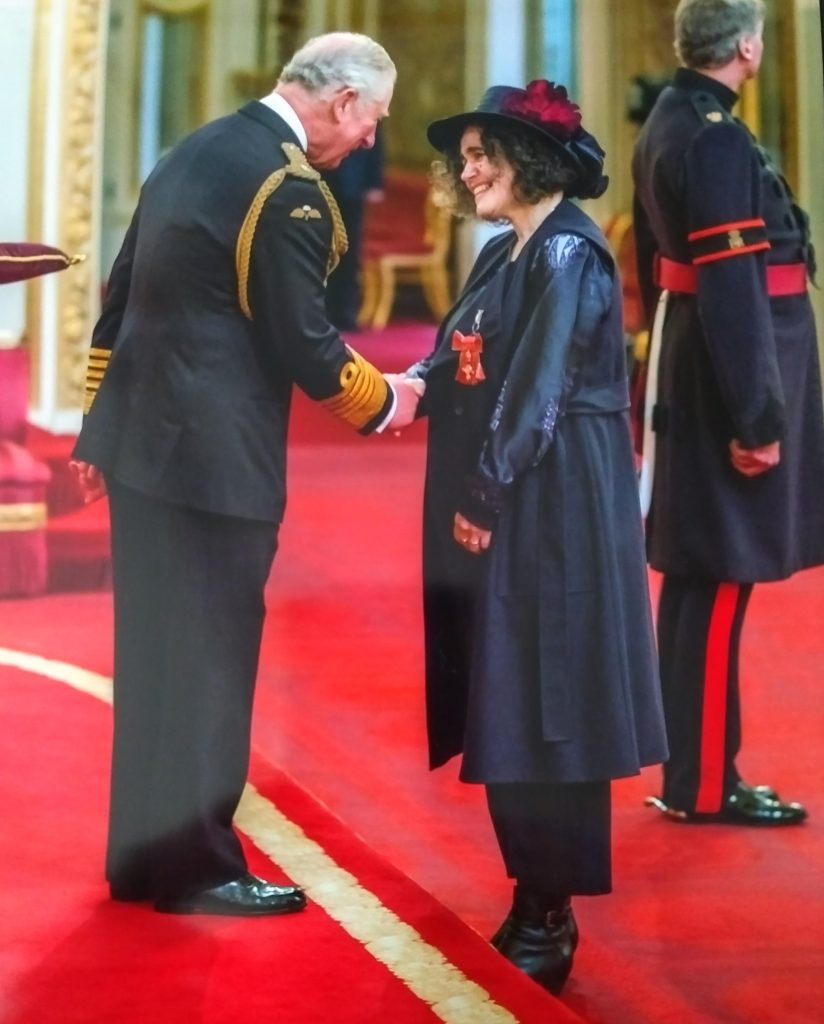
On 16 November 2017, HRH Prince of Wales presented NRCSE Executive Director, Pascale Vassie, with the OBE in recognition of services to education.
This is tremendous recognition not only for her, but for all the people who volunteer their time at weekends and after school to enhance children’s academic achievements and understanding of language, faith, arts and culture.
We are proud that the work that has been done by the NRCSE, under Pascale’s leadership, to promote the enormous value of community-led supplementary education to children, to communities and to the country has been recognised by government.
Congratulations to Pascale, well deserved.